Pizza Oven vs Regular Oven: Is It Worth the Money? (October 2026)
In a pizza oven vs regular oven comparison, choose a pizza oven for frequent pizza nights and focused heat control. Keep your regular oven for occasional pizza, larger meals and a kitchen without room for another appliance.
On this page (10 sections)
- Pizza oven vs regular oven: what is the main difference?
- Which oven makes the crust you want?
- Does a pizza oven save time compared with a regular oven?
- Which countertop pizza oven fits your routine?
- How much space and electrical capacity do you need?
- How do you get better pizza from either oven?
- Which mistakes cause the most trouble?
- Which option is easier to clean and maintain?
- Can a pizza oven replace a regular oven?
- Pizza oven vs regular oven: which should you choose?
A pizza oven is worth buying for frequent pizza nights and focused heat control; a regular oven is the practical choice for occasional pizza and varied meals. The pizza oven vs regular oven decision comes down to the crust you want, your serving routine and usable kitchen space.
Start with the problem you want to solve. A pale base, slow weeknight routine and crowded family dinner each call for a different answer, so the hottest appliance isn't automatically the right one.
If you're still weighing the value, see whether a pizza oven is worth it and compare pizza oven costs. Include accessories and storage in your decision, even when the oven comes with a stone or peel.

Pizza oven vs regular oven: what is the main difference?
A pizza oven concentrates on pizza cooking, while a regular oven gives you more room and a broader range of uses. Dedicated models also differ from one another: a stone oven and a rotating-pan cooker serve different needs.
High heat can bake thin dough quickly, helping the outside brown before the center dries out. A well-heated stone transfers heat directly into the base, while separate upper and lower controls let you balance crust cooking against topping browning.
A regular oven remains useful for pan pizza, thicker dough and recipes designed around a longer bake. Its larger cavity also accommodates dishes that won't fit a compact pizza appliance.
Don't assume every regular oven stops at the same temperature. Check your own oven's controls and manual, then compare its abilities with the cooking style you actually want.
Which oven makes the crust you want?
Choose high heat for quick-baked thin pizza and a recipe-matched approach for thicker or heavily topped pies. More heat isn't always helpful if the top colors before the middle cooks through.
Thin pizza and thicker pan pizza need different approaches
Thin, lightly topped dough suits a quick bake because there is less moisture and thickness to cook through. A hot stone can help develop the base while strong upper heat browns the exposed crust.
Thicker dough needs enough time for the center to cook. A recipe intended for a regular oven may need major changes before it suits a short, high-heat bake.
Frozen pizza is another separate case. Follow the food and appliance directions rather than treating it like fresh dough, and confirm that the pizza fits the cooking surface.
Can a regular oven match a pizza oven's crust?
A regular oven can produce crisp, browned pizza, especially with the right pan or an oven-safe stone or steel. It may not reproduce the same quick bake as a hotter dedicated model, but that doesn't prevent a good dinner.
Before replacing your oven, try a recipe written for its heat range. Preheat the baking surface as directed and reduce wet toppings if the center stays soft while the edges brown.
Does a pizza oven save time compared with a regular oven?
A pizza oven can shorten the bake, but total meal time includes preheating and serving. The best time-saving choice depends on whether you're cooking one frozen pizza or several fresh ones.
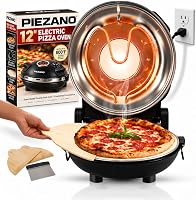
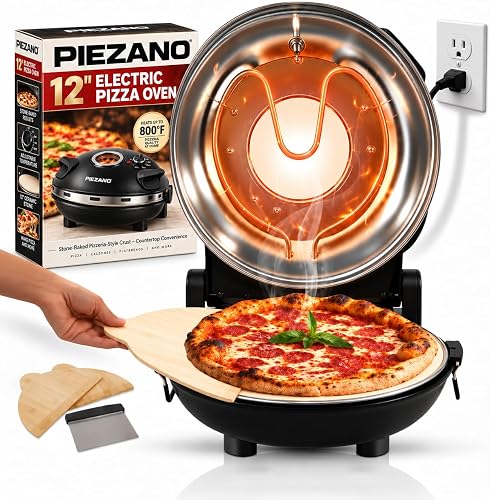
PIEZANO says its oven cooks a fresh 12 in pizza in under 6 minutes. That is a bake-time claim, so still allow time to heat the stone, shape the dough and add toppings.
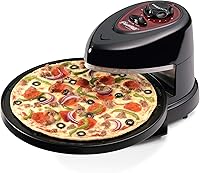
The Presto Pizzazz Plus requires no preheating, which suits an unplanned frozen-pizza dinner. Its timer signals the end of cooking and shuts off the heating elements.
A regular oven makes sense when it's already hot for another dish. Starting a second appliance may add work rather than save it, particularly if pizza is only part of the meal.
Plan the queue before feeding a group
Compact pizza ovens cook within a limited surface area, so plan for a sequence of pizzas. Letting everyone share slices as each pie finishes is easier than promising several whole pizzas at once.
Chefman says its heat-retaining design supports back-to-back cooking. Still follow its directions between pizzas, since a browned top doesn't prove the cooking surface is ready for the next base.
Prepare toppings and serving plates before the first pizza goes in. Shape and top each fresh pizza near its turn so it doesn't sit on the peel and become harder to slide off.
Which countertop pizza oven fits your routine?
Choose Piezano for compact stone baking, Presto for easy frozen-pizza meals, or Chefman for switching between pizza styles. Each solves a different reason for moving pizza out of your regular oven.
Piezano: choose it for fresh pizza in a smaller kitchen
Piezano reaches 800°F and gives you separate upper and lower heat controls. It suits cooks who want to adjust base cooking and topping browning rather than rely on a single heat setting.
Skip it if your usual pizza is larger than its cooking surface or if you mainly need room for family casseroles. Its included peels and scraper help with pizza preparation, but they don't replace a clear workspace beside the oven.
Presto: choose it for frozen pizza and convenience foods
The Presto Pizzazz Plus turns food on a rotating nonstick pan, with a choice of top heat, bottom heat or both. That layout suits people who want straightforward pizza meals and other small convenience foods.
Skip it if a stone-baked base is your main reason for buying another appliance. Rotation helps expose food to the heat, but it serves a different purpose from placing dough directly on a hot stone.
Chefman: choose it for changing pizza styles
Chefman's presets cover Neapolitan, New York, thin-crust, pan and frozen pizza, alongside manual control. Those starting points suit a household that changes styles instead of making the same dough every week.
Skip it if the oven must go in a cupboard after every meal. Its size and weight make a permanent, suitable counter position more practical than frequent lifting.
If you're unsure about the indoor format itself, read whether indoor pizza ovens are any good. Choose the appliance category before getting drawn into small differences between controls.
How much space and electrical capacity do you need?
Measure operating space, not just storage space, before ordering a countertop pizza oven. You need room for the appliance, its required clearances and safe loading and unloading.
Piezano measures about 13.6 in deep, 13.8 in wide and 6.5 in high. Presto measures about 14.5 in deep, 15.8 in wide and 10.3 in high.
Chefman measures about 18.7 in deep, 17 in wide and 10.9 in high. Keep those dimensions separate from the ventilation and clearance requirements in each manual.
For moving and storage, Piezano weighs 8.3 lb, Presto weighs 7.6 lb and Chefman weighs 23.3 lb. Check the shelf and lifting route, including whether you'll need both hands to move the cooled appliance.
All 3 use 120V power: Piezano draws 1200W, Presto 1235W and Chefman 1700W. Follow the electrical instructions and check shared circuit loads before running other high-power kitchen appliances alongside one.
Use a stable surface and keep the cord away from hot areas. A small footprint doesn't make a crowded counter a suitable operating spot.
Our guide to pizza ovens for home covers indoor and outdoor choices. Check whether you can use a pizza oven indoors before bringing any outdoor model into an enclosed space.
How do you get better pizza from either oven?
Improve heat management and moisture control before blaming the oven. A suitable recipe, a properly heated surface and restrained toppings make a bigger difference than adding more cheese to a struggling bake.
- Start with the right recipe. Match dough thickness and cooking directions to the oven's heat range.
- Prepare the work area first. Set out toppings, a serving board and any tools before heating.
- Preheat as directed. A hot air reading doesn't necessarily mean a stone has absorbed enough heat.
- Drain wet toppings. Excess liquid from vegetables or fresh cheese can leave the center soft.
- Keep the first pizza manageable. Stretch it to fit with room to load and remove it safely.
- Check top and base. Melted cheese alone isn't a reliable sign that the dough is ready.
For peel-launched pizza, keep the peel dry and use only enough flour or other suitable dusting material to prevent sticking. Build the pizza shortly before launch and check that it moves before approaching the hot oven.
Avoid changing several settings at once. If the base needs more cooking but the top is already brown, use the available controls to address that imbalance on the next pizza.
For broader setup choices, see how to choose a pizza oven. The guide helps connect fuel, size and heat to your usual meals.
Which mistakes cause the most trouble?
The common mistakes are overloading, rushing preheating and choosing the wrong format. A new appliance won't fix dough or serving habits that don't suit it.
Too many toppings can weigh down the dough and add moisture faster than the base can shed it. Use a lighter layer first, then adjust once the crust cooks the way you want.
Don't use the maximum heat simply because it's available. Thick dough and some pan recipes need a longer, gentler bake than thin pizza.
Avoid treating a preset as a promise that every dough will finish identically. Dough thickness, starting temperature and topping load still affect doneness.
Also resist buying around a fast bake time if you need everyone served together. A larger regular-oven pizza may fit that routine better than several small pies cooked in sequence.
Which option is easier to clean and maintain?
Choose the surface whose care routine you'll actually follow: a nonstick pan needs different handling from a porous pizza stone. Let the appliance and accessories cool before cleaning or storage.
Piezano's ceramic stone lifts out, and Presto's nonstick pan is removable. Chefman includes a stone and peel, so plan a place to let those accessories cool without blocking the rest of the kitchen.
For stones, avoid sudden temperature changes and follow the manual before using water or cleaners. Don't assume soaking, dish soap or a dishwasher is suitable simply because the surface is removable.
Use cleaning tools suitable for nonstick coatings on Presto's pan. Preventing scratches matters more than scrubbing hard after food has stuck.
Keep loose flour and topping spills under control during preparation. In a regular oven, use recipe-appropriate cookware and follow the oven's cleaning directions after cheese or sauce drips.
For outdoor equipment, how to use an outdoor pizza oven covers a different operating routine. If you're considering that route, our gas vs wood-fired comparison helps with the fuel choice.
Can a pizza oven replace a regular oven?
A countertop pizza oven is usually a second appliance, not a full replacement. The cooking surface, height and approved foods limit what it can do beyond pizza.
Piezano supports calzones, flatbreads and reheated slices. Presto supports foods such as chicken nuggets, fish fillets, egg rolls and cookies, giving it a role beyond fresh dough.
Don't assume Chefman's pizza presets make it a general-purpose toaster oven. Use only foods and cookware allowed by its instructions.
Keep the regular oven for large pans, roasts, casseroles and meals with several components. If your kitchen needs one appliance to cover the widest range of dinners, that flexibility should drive the choice.
Pizza oven vs regular oven: which should you choose?
Choose a pizza oven when pizza is a regular meal and your current setup has a clear limit. Choose your regular oven when occasional pizza, larger portions or mixed meals matter more than dedicated controls.
Pick Piezano if you want compact stone baking and control over the top and base. Pick Presto if frozen pizza and convenience foods make up most of your routine.
Choose Chefman if you switch pizza styles and can give it an accessible counter position. Skip another appliance if you haven't yet tried a suitable recipe and baking surface in the oven you already have.
For the pizza oven vs regular oven decision, picture a normal weeknight from preparation through cleanup. If a dedicated model earns its space in that routine, compare the best pizza ovens for home or narrow your search with our countertop pizza oven guide.
Frequently asked questions
Is a pizza oven better than a regular oven?
A pizza oven is better suited to frequent pizza nights when higher heat or separate element controls help you get the crust you want. A regular oven is the more useful all-purpose choice for varied meals, larger pans and occasional pizza without another appliance to store.
Can a regular oven make good pizza?
Yes, a regular oven can make good pizza with a fully heated baking surface, suitable dough and a sensible amount of toppings. Match the recipe to your oven's temperature range, follow the pan or stone instructions, and check the underside as well as the cheese before serving.
Do countertop pizza ovens need special wiring?
These 3 countertop models use 120V power, but you still need an outlet and circuit that meet the appliance instructions. Check the circuit's other loads before cooking, especially if a kettle or toaster shares it; use the connection method and any extension-cord guidance specified by the manufacturer.
Is a pizza oven worth it if you only make pizza sometimes?
Usually, keep your regular oven for occasional pizza unless a dedicated model solves a clear problem with your current routine; try improving preheating, toppings and your baking surface first. Another appliance makes more sense when you'll use its controls often and have a convenient place to operate it.
Can a pizza oven cook foods besides pizza?
Some pizza ovens handle other foods, but the allowed uses depend on the model; Piezano supports calzones, flatbreads and reheated slices, while Presto supports several convenience foods and cookies. Follow the appliance instructions for each food, and don't assume a pizza oven can replace a full-size oven.