Pizza Ovens for Home: Gas, Wood and Electric Compared
The best pizza oven for home matches your cooking location and fuel routine. Choose gas for adjustable outdoor heat, wood or pellets if you enjoy fire tending, or an indoor electric model for countertop pizza.
On this page (13 sections)
- Which home pizza oven fuel is right for you?
- Is a gas pizza oven easiest to manage?
- Is a wood-fired pizza oven worth the extra work?
- Is an electric pizza oven a good fit for home?
- When does a multi-fuel pizza oven make sense?
- How much pizza capacity do you need?
- How should you set up a home pizza oven?
- How do you get a better first bake?
- Which pizza oven mistakes cause the most trouble?
- What else can you cook in a home pizza oven?
- How should you clean and store a pizza oven?
- Which home pizza oven should you choose?
- Sources for pizza oven setup safety
The best pizza oven for home fits where you'll cook and the work you're willing to do each time. Choose gas for adjustable outdoor burner heat, wood or pellets if you enjoy tending a fire, and an indoor electric model for kitchen-counter cooking.
Size comes next: match the cooking area to your usual pizza, then measure the space needed for the whole appliance. Maximum temperature matters less if the oven is awkward to set up or store.
If you're weighing the appliance against how often you'll cook, read whether a pizza oven is worth it. For a broader shortlist, see our best pizza ovens for home guide.
Which home pizza oven fuel is right for you?
Gas suits outdoor cooks who want direct heat control, solid fuel suits people who enjoy managing a fire, and indoor electric suits kitchen use. Choose the routine you'll welcome on an ordinary evening.
| Fuel | Choose it for | Work to expect | Skip it if |
|---|---|---|---|
| Gas | Adjustable outdoor burner heat | Connect fuel, preheat and watch the bake | You lack a suitable outdoor cooking space |
| Wood, pellets or charcoal | Fire tending and outdoor cooking | Manage fuel, airflow, ash and cooldown | You want little involvement beyond preparing pizza |
| Indoor electric | Countertop cooking without stored fuel | Arrange counter space, plug in and manage heat controls | You mainly want larger outdoor pizzas |
Fuel choice also affects when you'll use the oven. A kitchen appliance is easier to build into an indoor dinner routine, while an outdoor oven needs a workable cooking area whenever pizza night comes around.
Think through the whole evening, including cleanup. A short bake doesn't remove the time needed to prepare dough, heat the stone, cook several pizzas and let the oven cool.
What should you compare in a pizza oven for home?
Compare location, usable size, heat control and setup effort before focusing on speed claims. Those details decide whether the oven fits your household.
- Location: Confirm the exact model's intended setting.
- Cooking space: Allow room for your pizza and the movements needed to handle it.
- Controls: Decide between knobs and active fire tending.
- Fuel: Check what the base oven uses and which attachments cost extra.
- Support: Measure the whole oven and check required clearances.
- Storage: Plan for the oven, fuel, peel and removable parts.
- Meal size: Consider how many pizzas you'll cook in sequence.
For more help narrowing those choices, use our beginner's guide to choosing a pizza oven.
Is a gas pizza oven easiest to manage?
A gas pizza oven is the better fit for outdoor cooks who want to adjust heat without feeding a fire. You still need to watch each pizza and allow the stone to heat through.
Gas separates fuel management from dough handling. Once the oven is running, you can focus on stretching, topping and launching rather than adding wood or pellets at the same time.
Who should buy the Big Horn 15 inch gas?
Choose this Big Horn for larger shared pizzas and adjustable propane heat. It has dual-side burners with independent control knobs and a cooking area that fits a pizza up to 14.7 inches.
BIG HORN says it reaches 750°F in 10 minutes, with a maximum temperature of 1,070°F. Treat those figures as guidance for planning, then check that the cooking surface is ready for your dough.
The built-in thermometer helps you follow chamber heat. An infrared thermometer serves a different purpose by checking the stone surface, which can lag behind the surrounding air during warmup.
A foldable peel and pizza stone are included. The propane regulator hose is also included, but you still need the compatible propane supply and connections required by the instructions.
Skip this oven if your only cooking space is indoors, or if smaller countertop pizzas suit your meals better. It also doesn't suit someone whose main reason for buying is the process of feeding a wood fire.
What does gas change during cooking?
Gas gives you a direct way to change burner output as the pizza cooks. Make small adjustments and watch how the top and base respond before changing the heat again.
BIG HORN describes its dual-side burner layout as allowing cooking without rotation. Watch the crust anyway, especially while learning where a pizza browns fastest and how its placement affects the bake.
Don't assume a lower flame means the stone has cooled at once. Stored heat keeps cooking the base, so assess both the underside and toppings when deciding what adjustment to make.
Is a wood-fired pizza oven worth the extra work?
Wood-fired cooking is worth choosing if fire management is part of the appeal. It adds fuel preparation, airflow control and ash handling to the meal.
That routine suits an outdoor afternoon better than a rushed dinner. Prepare your toppings and work area before lighting the fire so you aren't trying to solve every task at once.
Who should buy the Pizzello 16 inch wood-fired?
Choose the Pizzello for larger pizzas and an outdoor cooking setup that also uses grill grates. It supports wood, charcoal and pellets, with a two-layer interior and removable center rack.
It accommodates a 16-inch pizza and includes two grill grates, a stainless steel peel, a stone and a waterproof cover. Pizzello recommends placing the stone on the lower level because that level runs hotter.
The removable rack gives you more room for larger foods. That flexibility is useful if you want to plan meals around roasting or grilling as well as pizza.
Skip it if you want a quick plug-in routine or don't have a place to handle fuel and cooled ash. Its extra cooking space is less useful if moving and storing the oven becomes a barrier.
Side handles and legs with two height settings help with positioning. Move it only when cool, and choose a cooking spot where you can reach the door and fuel area without stretching.
Can you use pellets or charcoal instead of logs?
Use only the fuels approved for your exact oven. The Pizzello accepts wood, charcoal and pellets, but that flexibility doesn't apply to every wood-fired model.
Fuel changes the way you build and maintain heat. Follow the oven's loading and airflow instructions rather than carrying over the same method from a different cooker.
For wood-specific choices and preparation, read what wood works in a pizza oven. Avoid treated, painted or glued wood, which has no place in cooking fuel.
Is an electric pizza oven a good fit for home?
An indoor electric pizza oven is a good fit if you want countertop cooking without propane or solid fuel. Choose a model designed for that setting and leave the space its instructions require.
Electric controls remove fire tending from the routine. They don't remove the need to preheat the cooking surface, handle hot pizza carefully or manage wet toppings.
Who should buy the Piezano 12 inch electric?
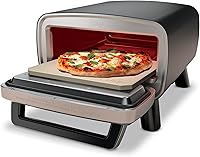
Choose the Piezano for smaller pizzas made in the kitchen, especially if separate top and bottom heat control appeals to you. Its removable ceramic stone provides a 12-inch cooking surface.
PIEZANO says it heats up to 800°F and can bake a fresh pizza in under 6 minutes. Actual timing depends on the dough, thickness, toppings and heat settings, so judge doneness by the pizza.
The separate controls give you a useful response to uneven cooking. If the cheese browns before the dough is ready, review the upper heat setting along with topping moisture and crust thickness.
It includes two wooden peels and a dough scraper. A viewing window lets you watch the bake without repeatedly lifting the lid and releasing heat.
Skip this model if you mainly want large shared pies or a cooker built around a live fire. It suits smaller batches, so plan for several rounds if everyone wants a whole pizza.
For other kitchen options, see our best electric pizza ovens guide. Our guide to using a pizza oven indoors explains how to check the intended setting.
Does a countertop oven need much space?
Plan for the oven plus clearance and food handling room, not just the space under its feet. The Piezano measures 13.62 inches deep, 13.77 inches wide and 6.49 inches high.
It uses 1,200 watts through a 3-prong cord and a standard 120V outlet. Follow its electrical instructions and arrange the cord so it stays clear of hot surfaces and your launch area.
Leave somewhere nearby for the peel, uncooked dough and finished pizza. A counter that fits the appliance tightly may still be too cramped for comfortable cooking.
When does a multi-fuel pizza oven make sense?
A multi-fuel pizza oven makes sense if you have a clear reason to use more than one fuel setup. Start with the mode you want now and check the extra parts needed for later changes.
Fuel flexibility is less useful if the added attachments will remain in storage. Compare the complete setup you expect to use with a dedicated oven before choosing.
Who should buy the Big Horn 12 inch multi-fuel?
Choose this Big Horn for pellet cooking now with optional fuel changes later. It has a 12-inch square stone, folding legs and a weight of about 25 pounds.
Its gas and electric burner attachments are sold separately. The base pellet setup is the starting point, so account for those attachments if either is central to your plans.
BIG HORN gives a warmup time of about 18–20 minutes and a maximum temperature of 1,110°F. It directs you to turn pizzas often, which makes peel handling part of the cooking routine.
There is no built-in thermometer, and BIG HORN recommends an infrared thermometer. That is a useful accessory to plan for before your first cook.
Skip it if you want gas ready without buying an attachment, or if larger pies are your priority. Choose the Piezano instead when the main need is a clearly defined indoor countertop appliance.
Does an electric attachment make an outdoor oven suitable indoors?
An electric attachment doesn't by itself guarantee indoor suitability. Check the instructions for the exact oven and burner combination before choosing its location.
For pellet mode, BIG HORN specifies all-natural hardwood pellets and airtight storage. Damp pellets can burn poorly, so keep the fuel sealed rather than leaving an open bag beside the oven.
How much pizza capacity do you need?
Choose capacity around your usual pizza and the number of rounds you'll cook. A larger stone allows a bigger pie, but several smaller pizzas can also feed a group if people are happy to share as they finish.
A smaller oven suits personal pizzas and lets you change toppings between rounds. A larger cooking area suits shared pies, though larger dough can be harder for a beginner to stretch and launch.
Don't stretch dough right to the edge of the available surface on your first attempt. A slightly smaller pizza gives you room to place it accurately and turn it where required.
How should you plan pizza night for several people?
Prepare a steady sequence of pizzas, with time for the stone to recover between bakes. A brief cooking time doesn't mean you can launch the next pie immediately without checking heat.
Cook the first pizza, slice it for sharing, then make the next. This takes pressure off having every serving ready at once and gives you time to adjust after the first bake.
Keep uncooked dough off the hot peel and avoid topping several pizzas far ahead. Dough can stick as it sits, especially beneath wet sauce or vegetables.
How do cooking size and outside dimensions differ?
Measure the whole oven separately from its pizza capacity. Required clearance and space for working around the opening come on top of the appliance dimensions.
The Big Horn gas measures 21 inches deep, 18.6 inches wide and 23 inches high. The Pizzello measures 24.8 inches deep, 23.62 inches wide and 35.83 inches high.
For a table or stand, check support, working height and access to fuel as well as footprint. Our guide to pizza oven stands and tables explains how to plan that workspace.
How should you set up a home pizza oven?
Set up the oven on the surface and in the location its instructions require, with enough room to handle food safely. Finish this planning before buying so the oven has a practical home from day one.
Outdoor gas and solid-fuel cooking need an open outdoor location. A garage, enclosed porch or partly enclosed room isn't a substitute for the required outdoor setup.
Keep the route between your prep area and oven clear. Children, pets and guests should have somewhere to gather away from the hot opening and the path of the peel.
What should you have ready before heating?
Have fuel, tools and ingredients within reach before starting. A good work sequence matters more than collecting a large set of accessories.
- Read the assembly, clearance and first-use instructions.
- Position the cool oven on suitable support.
- Check the fuel connection or electrical setup as directed.
- Fit the stone and approved parts before heating.
- Arrange a peel, serving board and heat-resistant handling tools.
- Prepare dough and toppings away from the hot oven.
- Leave space for hot cookware and finished food.
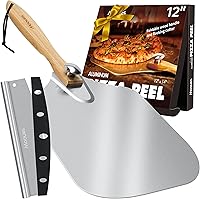
A peel should fit the opening and let you handle the pizza as directed. Check the included tools before buying more, then add only what solves a clear gap in your setup.
How do you get a better first bake?
Start with a modest pizza, light toppings and a fully heated stone. These choices make it easier to launch the dough and balance the base against the topping.
Use a dough recipe suited to the heat you're planning. Rich doughs with extra sugar or oil can brown quickly, so don't assume one recipe behaves the same at every temperature.
Why does the stone need time to heat?
The stone needs time to store enough heat to cook the base. Hot air around the pizza can brown the top while an underheated surface leaves the center pale or soft.
Follow the warmup procedure for your oven, with the stone in place. Where appropriate, use an infrared thermometer to check the surface rather than relying only on a chamber gauge.
After each pizza, check whether the stone needs more recovery time. Launching repeatedly onto a cooling surface is a common reason later pizzas finish differently from the first.
How do you stop pizza sticking to the peel?
Build the pizza promptly and check that it moves before launching. Start with a dry peel and a light dusting of flour suited to your dough method.
Give the peel a small shake before approaching the oven. If the dough sticks, lift the affected edge carefully and add a little flour underneath while you're still at the prep surface.
Avoid piling on more flour as a cure for wet dough or slow preparation. Loose flour can scorch on the stone and leave a bitter taste.
How much topping should you use?
Use a thin layer of sauce and well-drained toppings for your first high-heat pizzas. Heavy toppings slow cooking in the center and make the dough harder to move.
Pat wet vegetables dry and drain fresh cheese where needed. Ingredients that need longer cooking should be prepared separately when the recipe calls for it.
Don't expect raw meat to become safe simply because the crust browns. Use cooked toppings when appropriate and a food thermometer for foods that need a checked internal temperature.
For the full outdoor cooking sequence, follow our guide to using an outdoor pizza oven.
Which pizza oven mistakes cause the most trouble?
The most common problems come from rushing preheat, overloading dough and changing too many things at once. Start simply so you can see which adjustment improves the next pizza.
Maximum heat isn't the right setting for every crust. Thick dough needs more time to cook through, so match heat and recipe rather than chasing the highest number on the controls.
| Problem | Likely cause to check | Useful next step |
|---|---|---|
| Pale or soft base | Stone hasn't heated enough | Extend warmup or recovery before the next pizza |
| Dark top with raw center | Thick dough, heavy toppings or too much upper heat | Make a smaller, thinner pizza and lighten toppings |
| Scorched underside | Surface too hot, excess flour or unsuitable dough | Review stone heat, dusting and recipe |
| Pizza folds during launch | Dough sticks or toppings weigh it down | Check movement on the peel before approaching |
| One edge browns faster | Uneven exposure to heat | Turn as the oven's instructions require |
| Later pizzas cook slowly | Stone loses heat between rounds | Pause for heat recovery |
Change one thing at a time when learning. Keep dough size and topping amounts similar while adjusting warmup or heat, then use the result to guide the next bake.
What else can you cook in a home pizza oven?
These ovens offer different uses beyond pizza, so match the extra cooking to the model. A shallow countertop stone appliance serves a different meal plan from an outdoor oven with racks.
The Piezano can cook calzones and flatbreads or reheat slices. Those uses suit someone who wants smaller dough-based meals from the same appliance.
Pizzello's removable center rack allows room for larger food, while its grates support grilling. Plan access carefully if cooking several foods, since each may need a different temperature and finish time.
BIG HORN describes the gas model as suitable for steaks, chicken, fish, lamb chops, sausages and vegetables. For its pellet model, it recommends cast-iron cookware to help keep food drippings off the stone.
Check cookware dimensions and temperature limits before heating it. Keep grease, food and utensils clear of burners, elements and airflow paths as directed.
A regular oven may still be more useful for large trays and meals with several dishes. Our pizza oven vs regular oven comparison explains where a dedicated appliance adds value.
How should you clean and store a pizza oven?
Let the oven cool fully before cleaning, moving or covering it. Follow its care instructions for the stone, body, burners and removable parts.
Remove loose food from a cooled stone with a suitable scraper or brush. Don't soak it or use cleaners unless its instructions permit them, and avoid sudden changes between hot and cold.
Stains on a cooking stone don't call for aggressive scrubbing. Focus on loose debris and residue that could burn during the next cook.
What changes with solid-fuel cleanup?
Solid-fuel ovens need a plan for ash as well as food residue. Keep the ash contained until fully cool, then dispose of it according to local guidance using a suitable noncombustible container.
Store cooking fuel dry and away from ignition sources. Keep pellet bags or containers sealed so moisture doesn't spoil the fuel between pizza nights.
For gas, follow the instructions for shutting off and storing the fuel supply. For electric, unplug and clean only as directed once the appliance has cooled.
Is a cover enough for outdoor storage?
A cover helps protect an outdoor oven, but it doesn't replace proper cooling and storage care. Fit it only after the oven is cool and dry.
The Pizzello includes a waterproof cover. For any model, check fit and storage instructions rather than assuming any cover or outdoor location is suitable.
Read our pizza oven cover guide before deciding how to protect the oven between cooks. Store peels and other tools clean and dry so they're ready for the next meal.
Which home pizza oven should you choose?
Choose the pizza oven that fits your most frequent meal, then check that its size and setup work at home. Occasional ambitions matter less than the cooking routine you'll repeat.
- Choose the Big Horn 15 inch gas for larger shared pizzas outdoors with adjustable propane burners. Skip it if indoor cooking is essential.
- Choose the Pizzello 16 inch wood-fired for a larger solid-fuel cooking area and rack-based meals. Skip it if fuel tending and ash cleanup sound like chores.
- Choose the Piezano 12 inch electric for smaller kitchen pizzas with separate top and bottom controls. Skip it if large pies or outdoor fire cooking drive your choice.
- Choose the Big Horn 12 inch multi-fuel for pellet cooking with the option to buy other burner attachments. Skip it if you want a complete gas setup from the start.
Before ordering, rehearse one meal: where you'll prepare dough, place the oven, launch pizza, serve slices and store everything afterward. Any awkward step is easier to solve before the appliance arrives.
For the next decision, compare gas vs wood-fired pizza ovens. If you've settled on fuel and location, use our home pizza oven guide to narrow your shortlist.
Sources for pizza oven setup safety
Use these outdoor fire and carbon monoxide resources alongside your pizza oven's instructions. They help you plan a suitable cooking location and understand why fuel-burning appliances need proper outdoor use.
- U.S. Fire Administration: Outdoor fire safety
- U.S. Consumer Product Safety Commission: Carbon monoxide questions and answers
Frequently asked questions
Is gas or wood better for a home pizza oven?
Gas is better for cooks who want adjustable burner heat without feeding a fire; wood suits people who enjoy managing fuel and airflow as part of the meal. Choose around that routine first, then compare cooking space, fuel storage and cleanup; both need a suitable outdoor location.
Can you use an electric pizza oven indoors?
Yes, if the exact model is designed for indoor use; the Piezano countertop model here fits that role, while an outdoor oven with an electric attachment needs separate confirmation of indoor suitability. Follow the appliance instructions for clearance, counter placement and electrical connections rather than judging by fuel alone.
How large should a home pizza oven be?
Choose an oven that fits your usual pizza with room to launch and turn it as directed; smaller pies can suit individual meals, while a larger cooking area lets you make bigger shared pizzas. Measure the oven's outside dimensions and required clearance separately before choosing your counter or stand.
Do pizza ovens need special accessories?
A suitable peel, stable cooking surface and correct fuel setup are the main starting needs; an infrared thermometer can help check stone temperature, while solid-fuel cooking also needs an ash disposal plan. Check included accessories first, since these ovens differ in their peels, covers, controls and optional burner attachments.