Is a Pizza Oven Worth It?
A pizza oven is worth it if you'll use it regularly and want high-heat stone baking or a dedicated countertop pizza routine. Keep your regular oven if pizza is an occasional meal and you're happy with its crust.
On this page (8 sections)
- When is a pizza oven worth it?
- What does a pizza oven add over a regular oven?
- Which outdoor pizza oven suits a cooking hobby?
- Which option makes sense for frozen pizza?
- What costs and setup should you compare?
- How do you avoid the most common pizza mistakes?
- How much care does a pizza oven need?
- So, is a pizza oven worth it for your home?
A pizza oven is worth it if you'll use it regularly and want high-heat stone baking or a dedicated countertop pizza routine. If pizza is an occasional meal and you like your current crust, keep using your regular oven.
Start with the result you want: fresh dough with a browned base, easy frozen pizza, or an outdoor cooking hobby. These call for different appliances, and buying the wrong type can leave you with equipment you rarely use.
When is a pizza oven worth it?
A pizza oven earns its space when it improves a meal you already make often or supports a hobby you want to pursue. Weekly pizza nights are a stronger reason to buy than the hope that a new appliance will change your habits.
Think through your last few pizza meals. Someone who enjoys stretching dough has different needs from someone who wants a frozen pizza ready with little work.
Hosting matters too, but small ovens generally mean serving pizzas in rounds. Decide whether your guests will enjoy sharing slices as each pizza finishes or expect everyone to eat at once.
For an overview of the main choices, compare gas, wood, and electric pizza ovens. Match the cooking routine to your household before choosing a brand.
What does a pizza oven add over a regular oven?
A high-heat stone oven offers a shorter, hotter bake, which changes how the base browns and the crust cooks. A rotating-pan pizza appliance offers a different benefit: a dedicated way to prepare pizza and some convenience foods.
That distinction matters because “pizza oven” covers several designs. A countertop appliance with a nonstick pan serves a different purpose from an outdoor oven with a hot stone.
Maximum temperature isn't the whole decision. The stone needs time to heat through, toppings need to cook before the crust burns, and the oven must suit your dough style.
If your main complaint is a pale base, work on your current oven's preheating and baking surface first. Our pizza oven vs. regular oven comparison explains when a separate oven offers enough benefit to justify the space.
Is a pizza oven worth it for a small kitchen?
An indoor model is worth considering if pizza is a regular meal and you have a suitable counter. Measure both the storage space and the working area, including room to open the appliance and handle food.
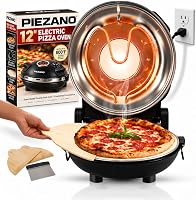
The Piezano 12 inch electric suits fresh-dough cooks who want stone baking indoors. It has separate upper and lower heat controls, and PIEZANO says it reaches 800°F and bakes a fresh pizza in under 6 minutes.
Its body measures about 13.6 by 13.8 in, but the usable setup needs the clearances in its instructions. It runs on 120V power at 1200W and includes 2 wooden peels and a dough scraper.
Choose Piezano for fresh pizza and heat control. Skip it if you mainly want large family pizzas or can't spare a place for the appliance to cool before storage.
Which outdoor pizza oven suits a cooking hobby?
An outdoor pellet oven suits someone who enjoys tending a fire and watching each pizza closely. It is a poor fit for a cook who wants to load dinner and walk away.
The Big Horn 12 inch multi-fuel uses hardwood pellets in its base setup. Its gas burner and electric heating element are sold separately, so buying the oven alone doesn't give you all 3 fuel options.
Big Horn gives an 18–20 minute warm-up and advertises 60–90 second pizza bakes at high heat. Those short bakes demand attention, including frequent turning to keep the edge facing the fire from burning.
Folding legs and a weight of about 25 lb help with moving and storage. You still need a suitable outdoor cooking area and somewhere dry for fuel.
Choose Big Horn for outdoor pizza sessions with active cooking. Skip it if you need an indoor appliance, dislike fuel handling, or want gas operation without buying another attachment.
Which option makes sense for frozen pizza?
A rotating countertop appliance makes sense when easy pizza meals matter more than stone-baked crust. It can fit a household that uses frozen, take-and-bake, and homemade pizza without making dough preparation a hobby.
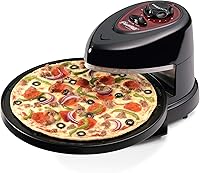
The Presto Pizzazz Plus 03430 has a rotating tray, separate top and bottom heating controls, and a timer that shuts off the heating elements. It uses a removable nonstick pan rather than a stone.
Presto describes it as a no-preheat appliance for pizzas from 7 to 12 in. That makes it a different proposition from ovens that require a long heat-up before the first pizza goes in.
Choose Presto for a straightforward countertop pizza routine. Skip it if your main goal is the high-heat stone baking offered by Piezano or the outdoor fire cooking of Big Horn.
What costs and setup should you compare?
Compare the complete usable setup, including accessories, fuel, and a suitable surface. An oven that needs a separate burner or table can require more planning than its size suggests.
For an indoor model, check outlet access, cord placement, lid clearance, and where hot tools will rest. Don't plan to slide a hot appliance straight into a cupboard after dinner.
For an outdoor model, plan a stable, heat-suitable surface and space to launch and turn pizzas. Our guide to pizza oven stands and tables can help you assess the working area.
Check which tools come with your chosen oven before buying extras. Depending on the design, you may need a launch peel, a turning tool, or an infrared thermometer to check the stone surface.
Read how much a pizza oven costs to plan the full setup. Then compare the best pizza ovens for home around the features you'll use.
How do you avoid the most common pizza mistakes?
Start with manageable dough, light toppings, and a fully heated baking surface. A fast bake leaves little time to correct an overloaded or poorly shaped pizza.
Stretch the base evenly so a thick center doesn't stay doughy while thin edges burn. Drain wet toppings and use a modest amount of sauce, especially for short, high-heat bakes.
Prepare the peel before adding the pizza, then check that the dough slides freely before launch. Use only enough dusting flour to prevent sticking, since excess flour can scorch.
Change one thing between pizzas rather than adjusting dough thickness, heat, and toppings together. That makes it easier to understand why the base browned too quickly or the cheese finished too soon.
For outdoor cooking, have toppings and tools ready before heating the oven. Follow our outdoor pizza oven use guide for the basic sequence, or compare gas vs. wood-fired ovens if fuel management is your main concern.
How much care does a pizza oven need?
A pizza oven needs cooling time and cleanup after use, with the method depending on its cooking surface and fuel. Let the appliance cool fully before moving it or cleaning removable parts.
For a stone, follow the oven's care instructions and avoid soaking it or exposing a hot stone to cold water. Dark marks alone aren't a reason to scrub it back to its original color.
For a nonstick pan, use suitable utensils and gentle cleaning tools to protect the surface. Remove food residue once cool rather than letting it build up between meals.
Pellet cooking also means dealing with cooled ash and keeping fuel dry. Big Horn calls for all-natural hardwood pellets stored in an airtight container.
Plan weather protection for outdoor storage. Our guide to pizza oven covers explains what to consider alongside the manufacturer's storage instructions.
So, is a pizza oven worth it for your home?
A pizza oven is worth it when the cooking style and routine fit your meals. Choose Piezano for indoor stone baking, Big Horn for an outdoor fire-cooking hobby, or Presto for a dedicated countertop pizza appliance.
Keep your regular oven if you need larger pizzas, make them rarely, or don't want another cleanup task. Before choosing, compare home pizza oven types and picture the whole meal, from dough preparation to putting the cooled oven away.
Frequently asked questions
Is a pizza oven worth it for occasional use?
A pizza oven usually isn't worth it for occasional use if you already enjoy pizza from your regular oven. An exception is someone who values outdoor pizza nights as a hobby.
Count the fuel preparation, cleanup, and storage work alongside the cooking experience before deciding.
Is an indoor pizza oven worth it?
An indoor pizza oven can be worth it for frequent pizza meals when you have a suitable counter and storage space. Choose a high-heat stone model for fresh dough or a rotating-pan appliance for convenience.
Check the instructions for clearances, outlet requirements, and the foods it can cook.
Is a pizza oven better than a regular oven?
A high-heat pizza oven is better suited to quick bakes with a browned crust, while a regular oven remains useful for larger pizzas and mixed meals. Not every pizza appliance offers high-heat stone baking.
Choose around the pizza you enjoy rather than assuming every dedicated model is an upgrade.
What should I consider before buying a pizza oven?
Consider your preferred pizza style, cooking location, meal size, and willingness to manage fuel or turn pizzas. Then check the full setup, including tools, attachments, a suitable surface, and storage.
A model earns its space when its routine fits how you already cook and entertain.