How Much Does a Pizza Oven Cost?
How much does a pizza oven cost? Your budget depends on the oven type and complete setup, from countertop electric models to premium outdoor ovens, plus fuel, tools and any separate burner.
On this page (7 sections)
How much does a pizza oven cost? The complete setup determines your budget, from a simple countertop appliance to an outdoor oven with fuel, tools and a separate burner.
Start with the pizza you want to cook and the space you can use. A low entry cost isn't good value if the oven cannot handle your usual meals, while extra features are wasted if they stay unused.
How much does a pizza oven cost by type?
Countertop convenience, outdoor cooking capacity and fuel flexibility are the main reasons pizza oven budgets differ. Compare those jobs first, then work out which setup you can afford.
A compact countertop appliance suits frozen pizza and easy weeknight meals. An outdoor stone oven suits buyers who want to work with dough and manage a much hotter cooking environment.
Within outdoor ovens, a larger opening, different controls and added fuel options can change the choice. Paying more only makes sense when those features remove a problem you'll actually face.
Don't buy on maximum temperature alone. Preheating the stone, launching the dough cleanly and managing the bake matter more than choosing the highest headline number.
For help choosing a firing routine, read gas vs wood-fired pizza ovens. If you already like your kitchen oven's results, compare a pizza oven with a regular oven before adding equipment.
How much does a pizza oven cost to get ready for cooking?
Work out the oven plus missing essentials, rather than treating the oven itself as the whole budget. Two models in the same tier can need different extra purchases.
Make a short checklist: oven, required burner, fuel supply, safe support surface and tools. Mark each item as included, already owned or needed, so you can compare complete setups fairly.
Separate optional upgrades from first-cook essentials. You can choose storage accessories later, but you need the correct fuel and a safe place to cook from the start.
What features are worth paying for?
Usable cooking space and controls that fit your routine deserve priority over extra modes. Choose fuel flexibility only if you expect to use more than one fuel.
The Big Horn 12 inch multi-fuel starts with hardwood pellets; its gas and electric burner attachments are sold separately. It suits buyers who want pellet firing now and the option to change later.
Its folding legs and 25 lb weight help with moving and storage. Still, measure the route between your storage spot and cooking area, since a portable oven needs more handling than a permanently placed appliance.
Skip this model if you want propane from day one and don't want to arrange a separate attachment. Compare its complete gas setup with a dedicated gas oven before deciding.
Pellet cooking also calls for attention during the bake. Keep all-natural hardwood pellets in an airtight container, and plan to turn pizzas often rather than leaving them unattended.
Which pizza oven fits a smaller budget?
Choose a countertop appliance for easy pizza meals if outdoor firing isn't part of your plan. It avoids the need to build an outdoor cooking station.
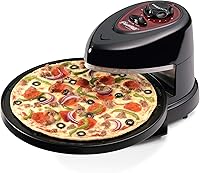
The Presto Pizzazz Plus 03430 handles frozen, homemade, take-and-bake and deli pizzas from 7 to 12 inches. Its rotating tray and separate top and bottom heating controls suit buyers who want to adjust the crust and toppings independently.
A timer signals the end of cooking and shuts off the heating elements. The removable nonstick pan also gives you a part you can take out for cleanup and storage.
Choose it for a regular frozen-pizza night or a small household that values convenience. Skip it if your main goal is outdoor fire cooking or serving pizzas beyond its size range.
Measure your available counter space before ordering, including room to load food safely. Let the pan cool before cleaning, and use utensils and cleaning methods suitable for a nonstick surface.
For options within a spending limit, see budget pizza ovens. Our guide to pizza ovens for home explains how countertop and outdoor designs fit different routines.
When does a larger outdoor oven make sense?
More cooking space helps when you want larger pizzas, but it doesn't remove the work between bakes. Allow time to shape, top, launch and serve each pizza.
The Big Horn 15 inch gas suits family pizza nights where propane control matters more than tending solid fuel. Its dual-side burners have independent knobs, and a built-in thermometer lets you watch the chamber temperature.
The included peel, stone and regulator hose cover several setup items. Confirm the usable stone size before ordering, since the dimensions differ.
Choose this model if you have a regular outdoor cooking spot and want larger pies. Skip it for frequent carrying if its 35.3 lb weight would make setup a chore.
The Ooni Karu 2 is a different choice for buyers who enjoy managing wood or charcoal, with a separate gas burner available. Its glass door and integrated thermometer help you watch the cooking environment.
Ooni says the Karu 2 reaches 950°F and can cook a 12-inch pizza in 60 seconds. That fast bake suits someone willing to stay beside the oven and pay close attention.
Choose it if solid-fuel cooking is part of the appeal. Skip it if you'll only use propane and don't want to add a burner, or if larger pizzas matter more than fuel choice.
What extra expenses should you include?
Budget for safe placement, fuel and essential tools before optional accessories. Included parts help, but they don't replace checking the needs of your own space.
An outdoor oven needs a stable, heat-resistant support surface and the clearances in its instructions. Check whether you need a pizza oven stand or table before assuming a patio table will work.
A peel helps move raw dough into a stone oven. An infrared thermometer reads the stone surface, which answers a different question from a thermometer measuring the oven chamber.
Fuel continues to affect spending after the oven arrives. Think about where you'll store pellets or wood, or how you'll arrange propane refills, rather than choosing a fuel that's awkward to get locally.
Plan for dry storage too. Read about pizza oven covers to decide how a cover fits your storage plan, and let the oven cool fully before covering or moving it.
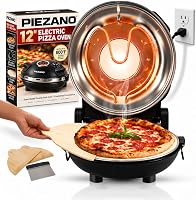
Keep fuel-burning ovens outdoors. If you're choosing a kitchen appliance, read whether you can use a pizza oven indoors and follow the exact model's instructions.
How do you avoid wasting money after buying?
Learn the oven with simple pizzas before adding accessories. Good preparation can solve problems that another tool won't fix.
For a stone oven, preheat with the stone inside and check that the cooking surface is ready. Hot air alone doesn't mean the base is ready to cook dough, and the stone needs time to recover between pizzas.
Start with a manageable dough size and light toppings. A heavy layer of sauce or wet ingredients makes launching harder and can leave the center undercooked while the edges darken.
Have the next pizza ready to shape, but don't leave topped dough sitting on the peel for long. Check that it moves freely before approaching the oven, and keep tools within reach.
Use only the fuel approved for your model. Once everything is cold, remove ash as instructed and follow the manual's stone-care directions; don't soak a pizza stone.
Our guide to using an outdoor pizza oven covers the cooking sequence. Getting that routine right is more useful than buying several accessories before your first meal.
Which pizza oven cost range fits your plans?
Decide how much a pizza oven should cost you by choosing the routine you'll keep. Pick the Presto for countertop meals, or the larger Big Horn gas model for outdoor cooking with propane controls.
Choose the smaller Big Horn if pellet firing appeals and you accept the extra cost of optional burners. Choose the Karu 2 if wood or charcoal cooking is a feature you'll use often.
If you're still unsure you'll cook regularly, consider whether a pizza oven is worth it before committing. Otherwise, use the best pizza ovens for home to compare setups that match your space and preferred fuel.
Frequently asked questions
How much should I spend on a pizza oven?
Set your budget around the complete setup you'll use, including fuel and essential tools; occasional frozen-pizza meals may only call for a countertop appliance, while outdoor dough cooking needs more space and preparation. Pay for extra capacity or fuel options only when they solve a clear need.
Are expensive pizza ovens worth it?
A premium pizza oven is worth considering when its controls, cooking space or fuel choices fit your routine; those features won't help much if you rarely cook outside or prefer frozen pizza. Decide what your current oven cannot do before spending more on another appliance.
What extra costs come with a pizza oven?
Extra costs can include fuel, a suitable table, a peel, an infrared thermometer and weather protection; a separate burner can also change the total if you want to switch fuels. Check included parts first, then separate essentials for your first cook from optional accessories you can buy later.
Is a gas or wood-fired pizza oven cheaper?
Neither fuel type is always cheaper once you include the oven, accessories and ongoing fuel use; compare complete setups that cook the size of pizza you want. Gas offers adjustable flame control, while wood and pellets require fuel storage and more attention during the cook.