Pizza Ovens Under $500: What You Get at Each Price
The best pizza oven under 500 dollars depends on your cooking space and routine: choose Presto for indoor convenience, Ninja for outdoor electric cooking, Big Horn for pellets or Ooni Karu 2 for wood and charcoal. Count required accessories toward your budget.
On this page (11 sections)
- What should the best pizza oven under 500 dollars do for you?
- Which features matter before you choose?
- Who should choose the Presto Pizzazz Plus?
- Who should choose the Big Horn pellet oven?
- Who should choose the Ninja Artisan MO201?
- Who should choose the Ooni Karu 2?
- How should you compare heat, speed and cooking effort?
- What should you set up before the first pizza?
- Which mistakes cause the most trouble?
- How do you care for the oven after cooking?
- Which pizza oven under 500 dollars should you choose?
The best pizza oven under 500 dollars is the one that fits your cooking location and pizza routine. Choose Presto for indoor convenience, Ninja for outdoor electric cooking, Big Horn for pellets or Ooni Karu 2 for wood and charcoal.
Start with where you'll use it, then decide how much fuel handling and pizza turning you want. Compare the complete setup against your budget, including any burner or tools you need.
For a broader look at fuel choices, see our home pizza oven comparison. If you're deciding whether another appliance will earn its space, read is a pizza oven worth it.
What should the best pizza oven under 500 dollars do for you?
It should cook the pizza you enjoy in a space you can use safely. Heat, extra functions and fuel flexibility matter only after those needs are met.
These 4 ovens represent different routines rather than steps up a single ladder. A countertop rotating oven and a wood-fired outdoor oven serve different buyers, even when both fit the same spending plan.
| Type | Best reason to choose it | Main commitment |
|---|---|---|
| Countertop electric | Make pizza close to your kitchen prep area | Give the appliance counter and storage space |
| Outdoor pellet | Make tending a fire part of pizza night | Manage fuel and turn pizzas during baking |
| Outdoor electric | Cook outside with electric controls | Arrange suitable outdoor power and placement |
| Multi-fuel outdoor | Use wood or charcoal with a possible gas conversion | Store fuel and account for separate attachments |
Don't choose a fire-based oven just because its maximum heat sounds impressive. If you mainly want to cook a frozen pizza after work, easier setup may be worth more than a fast bake.
For outdoor pizza as a weekend hobby, the balance changes. Managing the fire and turning each pizza may be part of the appeal rather than a chore.
Which features matter before you choose?
Choose location, fuel and pizza style first, then compare controls and included parts. This order prevents you from buying an oven that looks appealing but doesn't fit your home.
How do you choose the best pizza oven under 500 dollars?
Make a short list of requirements before comparing features. Separate what you need for every cook from extras you might use occasionally.
- Cooking location: Decide between an indoor counter and a suitable outdoor area.
- Pizza style: Think about frozen pizza, thin fresh dough, thicker crusts or pan pizza.
- Attention during cooking: Decide whether you want active turning or a less involved bake.
- Other meals: Choose extra cooking modes only if they match food you already make.
- Complete setup: Count fuel, required attachments, placement and handling tools.
Electric power does not automatically mean indoor use. The Ninja in this guide belongs outdoors, while the Presto serves a countertop cooking routine.
Also think about how you'll serve people. A single-pizza oven means cooking in rounds, so decide whether everyone can share slices as they come out or expects a whole pizza at once.
Our guide to how much a pizza oven costs covers setup expenses beyond the oven. For a wider shortlist across styles, browse best pizza ovens for home.
Who should choose the Presto Pizzazz Plus?
Choose the Presto Pizzazz Plus 03430 for indoor pizza and convenience foods when you want direct controls without managing outdoor fuel. Skip it if your main goal is tending a fire or learning a stone-baking routine outside.
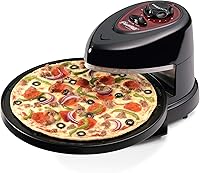
The tray rotates continuously, while separate top and bottom elements let you direct heat where it's needed. A timer signals when cooking ends and automatically shuts off the heating elements.
That control is useful when the base and toppings need different amounts of cooking. Presto describes using bottom-only heat to finish a crisper crust, or extra top heat when toppings need longer.
It accommodates 7 to 12 in pizzas, including frozen, homemade, take-and-bake and deli options. It can also prepare convenience foods such as chicken nuggets and cookies.
This makes sense for a household that wants a pizza appliance without planning an outdoor cooking session. The removable nonstick pan also gives you a part you can take out for cleaning and storage.
Don't treat the adjustable elements as a reason to leave food unattended. Watch the pizza as it nears completion, especially when changing from a familiar frozen pizza to fresh dough.
Follow the food's directions and Presto's guidance rather than carrying over times from an enclosed oven. For cleanup, let the pan cool and use utensils and cleaning tools suitable for nonstick surfaces.
Who should choose the Big Horn pellet oven?
Choose the Big Horn 12 inch multi-fuel for outdoor pellet cooking if you enjoy managing fuel and working closely with each pizza. Skip it if you want to set a timer and step away.
Big Horn advertises a maximum temperature of 1,110°F and pizza bakes of 60 to 90 seconds after preheating. Those short cooking windows call for attention, not just a hot oven.
The brand recommends turning pizza every 15 to 20 seconds. Keep your turning tool ready before launching so you aren't searching for it while the edge nearest the heat browns.
Use natural hardwood pellets, and store them in an airtight container to keep moisture out. Damp fuel can disrupt the burn and make the cooking routine harder to manage.
The oven weighs 25 lb, has folding legs and includes a square 12 x 12 in pizza stone. That format suits cooks who need to pack the oven away between outdoor meals.
Gas and electric cooking require separately sold attachments. If either is your preferred fuel from the start, compare the full converted setup with an oven built around that routine.
Start with modest toppings and a manageable dough shape rather than a heavily loaded pizza. For more options in the same setting, see our best outdoor pizza ovens guide.
Who should choose the Ninja Artisan MO201?
Choose the Ninja Artisan MO201 for outdoor electric cooking with several pizza styles. Skip it if you need an indoor appliance or specifically want wood, charcoal or pellet cooking.
Its temperature range is 90 to 700°F, with Neapolitan, thin crust, pan, New York and custom pizza settings. Ninja advertises a 3-minute pizza at the top setting without turning, after an 18-minute preheat.
The presets suit cooks who switch between styles rather than making the same thin pizza every time. Use the setting that matches the dough and pan arrangement instead of choosing the hottest option for every recipe.
Bake, broil, proof and warm functions broaden its use beyond pizza. The proof setting is especially relevant if making dough is part of your routine, rather than an occasional project.
A 12 x 12 in pizza stone and matching-size baking pan are included. The door window lets you watch cooking progress without opening the oven simply to check browning.
This is the strongest fit here for someone who wants outdoor cooking without tending a live flame. It still needs a suitable outdoor power arrangement and a stable place to work.
Ninja describes the oven as weather resistant and recommends its separately sold cover for outdoor storage. Plan for covering and cooling it after use rather than assuming weather resistance removes the need for care.
Who should choose the Ooni Karu 2?
Choose the Ooni Karu 2 for wood or charcoal cooking with the option to add propane. Skip it if you want electric heat or have no interest in handling solid fuel.
Ooni advertises cooking temperature in as little as 15 minutes, a maximum of 950°F and 60-second pizza bakes. It takes 12 in pizzas and includes a pizza stone.
The glass door gives you a view into the oven, and an integrated thermometer helps you follow its temperature. Neither removes the need to watch the pizza and adjust your cooking routine.
This oven suits someone who wants to learn fire management alongside dough shaping and launching. Wood and charcoal give you choices from the start without requiring the gas attachment.
The propane burner is sold separately. If you expect to use gas for nearly every meal, include it in the initial decision instead of treating it as a distant upgrade.
Think about the whole work area, too. You'll need access to the oven and fuel area, plus somewhere to set tools and prepare the next pizza.
Our Ooni models explained guide compares the brand's main oven families. It can help you decide whether the Karu's fuel choices match your plans.
How should you compare heat, speed and cooking effort?
Compare the full cooking session rather than the shortest advertised bake. Preparation, preheating, turning and recovery between pizzas all affect how dinner works.
| Oven | Cooking location | Main cooking routine | Best buyer fit |
|---|---|---|---|
| Presto Pizzazz Plus 03430 | Indoor countertop | Rotating pan with adjustable heat from above and below | Everyday pizza and convenience foods |
| Big Horn 12 inch multi-fuel | Outdoors | Pellet fire with frequent turning | Cooks who enjoy active fire cooking |
| Ninja Artisan MO201 | Outdoors | Electric presets and additional oven functions | Households wanting several outdoor cooking uses |
| Ooni Karu 2 | Outdoors | Wood or charcoal, with optional gas conversion | Cooks who want fuel choice and a pizza-making hobby |
Maximum oven temperature isn't the same as the temperature across the baking surface. For stone ovens, allow the stone to heat as directed rather than launching as soon as the air feels hot.
An infrared thermometer can help you check a stone's surface temperature. It measures the surface you aim at, so use it for that task rather than as a substitute for checking food doneness.
Thicker dough needs time for the center to cook. Chasing the fastest bake can leave you with a dark top and a doughy middle.
Keep notes on dough thickness, topping amount and the setting or fuel routine you used. Change one thing at a time so the next pizza gives you a useful comparison.
What should you set up before the first pizza?
Arrange a stable cooking surface, clear access and a nearby prep area before heating the oven. A good work area makes launching and removing pizza easier.
Measure the oven's footprint, then allow the clearances its manual requires. Leave room for doors, fuel access, tools and safe movement around the appliance.
For outdoor models, use an open-air location approved by the manufacturer. Never move a fuel-burning oven into a garage or enclosed space to avoid wind or rain.
For electric models, follow the appliance instructions for the outlet and any permitted extension cord. Keep the power route away from hot surfaces and walking paths.
A pizza peel needs room to move straight toward and away from the oven. Check that path before placing a table against a wall or filling the surrounding area with chairs.
Our guide to pizza oven stands and tables explains what to consider when choosing the work surface.
Prepare toppings before you heat the oven, and set aside a landing area for finished pizza. Start the first session with a simple recipe so you can focus on handling the dough and learning the controls.
Which mistakes cause the most trouble?
Avoid overloading the dough, rushing preheat and leaving the next step unprepared. These mistakes can undo the benefit of buying a more capable oven.
Too much sauce or wet topping
Use a thin layer of sauce and drain wet ingredients before assembling. Extra moisture makes fresh dough harder to launch and gives the center more work to do before it sets.
Leave the rim clear and spread toppings evenly. A tall pile in the middle can stay wet while the edge browns.
Letting assembled dough sit on the peel
Build the pizza shortly before launching, and check that it can move on the peel. The longer damp dough sits, the greater the chance that it will stick.
Use enough flour or other suitable launch dusting to prevent sticking, without leaving heaps beneath the pizza. Excess loose flour can scorch on a hot stone.
Treating every pizza like a thin fresh crust
Follow the oven's guidance for frozen, rising-crust and pan pizzas. A method suited to a thin base can brown thicker pizza before its middle is ready.
Big Horn recommends baking thick dough first, then adding toppings and baking again. Use that approach within its instructions rather than forcing a heavily topped crust through a very short bake.
Forgetting the next pizza needs heat
Give the baking surface time to recover between pizzas as directed. Keep the next dough portion ready, but don't rush it into an oven that has lost heat.
For a step-by-step outdoor cooking routine, see how to use an outdoor pizza oven.
How do you care for the oven after cooking?
Let the oven and its cooking surface cool fully before cleaning, covering or moving them. Follow the manual for removable parts, ash handling and approved cleaning methods.
For stone ovens, brush away loose residue with a suitable tool once the stone is cool. Don't soak a pizza stone or apply soap unless its care instructions specifically allow it.
Avoid sudden temperature changes, such as putting a hot stone on a cold, wet surface. Keep stored stones dry, and handle them carefully when removing them.
Clean the Presto's nonstick pan with tools that won't scratch its surface. For fuel-burning ovens, follow the instructions for removing ash and confirming that the fire is fully out.
Store tools dry and remove food scraps from the work area. A clean, ready setup makes the next pizza night easier to start.
Which pizza oven under 500 dollars should you choose?
The best pizza oven under 500 dollars is the one whose cooking routine you'll want to repeat. Make the final choice by location and effort, then confirm that the required setup fits your spending limit.
- Choose Presto Pizzazz Plus 03430 if pizza is mainly an indoor weeknight meal and you want direct control over browning.
- Choose Big Horn 12 inch multi-fuel if portable pellet cooking appeals to you and frequent turning fits your style.
- Choose Ninja Artisan MO201 if you want outdoor electric cooking and will use its functions for other meals.
- Choose Ooni Karu 2 if wood or charcoal cooking is part of the experience you want, with propane as a possible later option.
If you're torn between indoor convenience and an outdoor hobby, decide that before comparing more models. The oven that fits your normal meal routine will be easier to use often.
Once you've chosen outdoor cooking, continue to our best outdoor pizza ovens guide to compare other options for that space.
Frequently asked questions
Can you get a good pizza oven for under 500 dollars?
Yes, this budget can suit indoor convenience or outdoor pizza cooking, but compare the complete setup before choosing. Include required fuel, tools and any separate burner in your plan.
A simpler oven that fits your space is a better choice than extra features you won't use.
Is an electric or outdoor pizza oven better?
Choose the cooking location first, because electric ovens can be indoor or outdoor appliances. Presto suits countertop cooking, while Ninja Artisan MO201 is an outdoor electric model.
Choose outdoor cooking if you have suitable space and want that routine; choose an indoor appliance for easier access from your kitchen.
Does a multi-fuel pizza oven include every burner?
No, multi-fuel does not mean every burner comes in the box. Big Horn uses pellets, with its gas burner and electric element sold separately.
Ooni Karu 2 uses wood or charcoal, with a gas burner sold separately.
Include the attachment for your preferred fuel when comparing complete setups.
What should I compare before choosing a pizza oven?
Compare the approved cooking location, fuel, pizza size, controls and included parts first. Then consider preheating, turning and cleanup, since those shape every pizza night.
Measure your cooking area and storage space, and decide whether you want a dedicated pizza oven or extra functions for other meals.