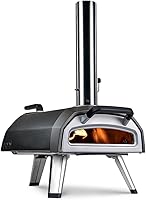
Ooni Models Explained: Koda, Karu and Volt
Choose among these Ooni models by cooking location and fuel first: Koda 2 Propane suits outdoor gas cooking, Karu suits wood or charcoal with optional gas, and Volt 2 suits indoor electric cooking. Pick Karu 2 Pro when larger pizzas matter.
On this page (6 sections)
The Ooni models here suit 3 different routines: Koda for outdoor propane cooking, Karu for managing a wood or charcoal fire, and Volt for indoor electric cooking. Choose the location and fuel first, then decide how much pizza space you need.
A larger oven helps when you want wider pies, but it doesn't remove the work of stretching dough, launching, and turning. The right choice is the oven you'll be willing to set up on an ordinary pizza night.
Which Ooni models should you choose?
Choose Koda 2 Propane for a gas-only outdoor routine, Karu 2 for smaller wood or charcoal pizzas, Karu 2 Pro for larger pies, and Volt 2 for indoor use. These 4 options cover different needs rather than a simple good, better, best ladder.
| Model | Fuel | Setting | A useful difference |
|---|---|---|---|
| Ooni Koda 2 Propane | Propane gas only | Outdoor | 14 in pizza stone and gas hose with regulator |
| Ooni Karu 2 | Wood or charcoal; optional gas burner sold separately | Outdoor | 12 in pizzas, glass door, and integrated thermometer |
| Ooni Karu 2 Pro | Wood or charcoal; gas burner sold separately | Outdoor | 16 in pizzas, digital thermometer, and app connection |
| Ooni Volt 2 | Electric | Indoor | 12 in pizzas and 3 named pizza modes |
If you're still deciding between fuel types, start with gas, wood, and electric pizza ovens compared. For a broader brand comparison, see Ooni vs Gozney.
How do Ooni models compare by fuel?
Propane removes the need to feed a fire, while wood and charcoal make fuel management part of the cooking session. Electric cooking avoids storing outdoor fuel, though it still needs a suitable counter and electrical setup.
Choose around the work you enjoy doing, rather than a hope that one fuel will rescue poor dough or overloaded toppings. Stretching, heat control, and timing matter with every oven here.
What should you know about the Ooni Koda 2 Propane?
The Ooni Koda 2 Propane suits buyers who want outdoor pizza without tending wood or charcoal. It connects to a propane bottle with the included hose and 28 mBar regulator, and it isn't compatible with natural gas.
Ooni says its tapered flame system improves heat distribution and its thicker stone retains heat between pizzas. That makes it a useful choice for cooking several pies in one session, though you should still allow the stone to recover between launches.
The oven weighs 35.3 lb, so plan where you'll carry it and where the propane bottle will sit. Moving the oven also means organizing its fuel supply and cooking tools.
Skip this version if you want to burn wood or connect to a natural gas supply. Read the Ooni Koda 2 review if propane already fits your plans.
Is the Ooni Karu 2 a good fit?
Ooni Karu 2 suits buyers who enjoy building a fire and making individual pizzas. It lets you start with solid fuel and add propane capability later through a separate burner.
The oven includes a pizza stone, glass door, and integrated thermometer. Ooni says it reaches cooking temperature in as little as 15 minutes and has a top temperature of 950°F.
Use that warm-up claim as a planning guide, then check the cooking surface before launching. Hot air inside an oven doesn't always mean the stone is ready to brown the base.
Choose Karu 2 for personal pies and a cooking session that includes tending fuel. Skip it if you mainly want wide sharing pizzas or know you'll resent feeding a fire; the Ooni Karu 2 review explores its fit in more detail.
What does Karu 2 Pro add?
Ooni Karu 2 Pro is the choice for larger pizzas and more built-in temperature information. Its mounted digital thermometer displays internal temperature in Fahrenheit or Celsius, and it works with the Ooni Connect app.
The Pro has a full glass door and a 17 in wide cooking area. Its fully insulated body is another distinction, but the larger cooking space is the clearest reason to choose it over Karu 2.
Larger pizzas need a suitable peel, a larger preparation area, and more care during launch. Start with smaller dough rounds while you learn, even when the oven has room for more.
Skip the Pro if you prefer individual pizzas and don't need its digital or app features. Both Karu models need a separate gas burner for gas cooking; compare the routines in gas vs wood-fired pizza ovens.
When does the Ooni Volt 2 make sense?
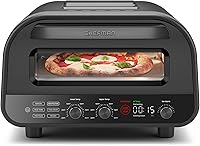
Choose Ooni Volt 2 when indoor cooking is the requirement. Its Neapolitan, Thin & Crispy, and Pan Pizza modes suit buyers who want to make different pizza styles from the kitchen.
Volt 2 reaches up to 850°F and adds oven and broil modes, adjustable crisping, and a dough-proofing mode. Those controls give you more options than a single high-heat pizza setting.
It weighs 17.6 kg, so a regular counter position makes more sense than assuming you'll lift it out of a cupboard each time. Check the required clearances before choosing that spot.
Skip it if wood-fired outdoor cooking is your main reason for buying an oven. Read can you use a pizza oven indoors? for placement guidance, or are indoor pizza ovens any good? to weigh the indoor format.
How much pizza space do you really need?
Choose pizza size around how you serve meals, not just the largest diameter an oven accepts. Individual pies work well when people want different toppings; larger sharing pizzas make sense when everyone wants the same thing.
For a group, oven size is only part of the workload. Someone still needs to stretch each base, add toppings, cook it, and clear space for the next pizza.
A smaller pizza is also easier to launch and turn while you learn. Leave room around the dough rather than stretching it to the oven's limit on your first session.
What should you set up before the first cook?
Plan the oven position, preparation space, and tools before making dough. Outdoor ovens need a stable, heat-safe surface in a location that meets the manual's clearances, with room to reach the controls safely.
Don't treat a garage or enclosed porch as an outdoor cooking spot. Keep people clear of the hot oven and place fuel supplies as the instructions require.
Measure the supporting table and leave working space for a peel. Our guide to pizza oven stands and tables helps you plan a surface that supports cooking as well as the oven.
Have a launch peel, turning tool, and a heat-safe place to set them ready. An infrared thermometer helps check stone temperature, which is different from the internal air temperature shown by an oven thermometer.
For propane, follow the manual's connection and leak-check steps before lighting. For Volt, follow the electrical instructions and keep its required ventilation space clear.
Which mistakes cause burnt tops or pale bases?
Match the stone heat, flame or heat setting, and topping load to the pizza you're making. Maximum heat isn't the right target for every dough thickness or style.
If the top cooks before the base, let the stone recover before the next launch. Simply leaving that pizza in longer can burn the toppings without solving the starting heat problem.
Keep toppings light and drain wet ingredients. A heavy, damp center takes longer to cook and makes the dough harder to slide from the peel.
Check that the pizza moves freely on the peel before approaching the oven. Use enough dusting flour to prevent sticking, but avoid leaving piles underneath that can scorch.
Rotate as needed instead of waiting for one edge to darken. For a full cooking sequence, follow how to use an outdoor pizza oven.
How should you care for the oven and stone?
Let the oven and stone cool fully before cleaning or storage. Never pour water onto a hot stone, since a sudden temperature change can cause cracking.
Follow the manual for removing baked-on food and cleaning glass. Avoid soaking the stone or using cleaners it doesn't allow.
With solid fuel, let ashes cool completely before disposal. Store the cooled oven dry and keep burners, vents, and air paths clear according to its care instructions.
Which Ooni model fits your cooking routine?
Pick Koda 2 Propane if outdoor gas cooking is the plan and you want to avoid tending solid fuel. Pick Karu 2 if making individual pies around a wood or charcoal fire sounds like part of the fun.
Choose Karu 2 Pro when larger sharing pizzas justify the extra cooking space. Choose Volt 2 when a suitable indoor counter is where pizza night will happen.
Before ordering any of these Ooni models, settle the oven location and how you'll serve the meal. Next, use Ooni vs Gozney to compare brands, or review pizza ovens for home if you're still weighing fuel types.
Frequently asked questions
What is the main difference between Ooni Koda and Karu?
Ooni Koda 2 Propane uses propane only, while Karu 2 and Karu 2 Pro burn wood or charcoal and accept a separate gas burner. Choose Koda for a gas-only routine without tending solid fuel; choose Karu if building and managing a fire is part of the appeal.
Can you use an Ooni Volt indoors?
Ooni Volt 2 is designed for indoor electric cooking and reaches up to 850°F; its pizza modes cover Neapolitan, Thin & Crispy, and Pan Pizza styles. Follow its instructions for counter clearances, ventilation, and electrical setup; indoor suitability does not mean it can sit beneath any cabinet.
What is the difference between Karu 2 and Karu 2 Pro?
Karu 2 cooks 12 in pizzas, while Karu 2 Pro is a 16 in model with a 17 in wide cooking area; the Pro adds a fully insulated body, digital thermometer, and Ooni Connect app functionality. Choose it for larger pizzas; both models require a separate burner for gas cooking.