Ooni vs Gozney: Which Brand Should You Buy? (October 2026)
For Ooni vs Gozney, choose the Karu 2 for wood and charcoal cooking, the Roccbox for a gas-first setup with optional wood, or the Arc Lite for lighter propane cooking. Match the oven to your usual fuel and how often you'll move it.
On this page (8 sections)
- Ooni vs Gozney: which fuel setup fits your cooking style?
- How do these Ooni and Gozney models compare?
- Which is easier to control, Ooni or Gozney?
- Which oven is easier to move and store?
- What should you prepare before the first cook?
- How do you avoid burnt crusts and undercooked centers?
- How should you clean and protect either brand?
- Which should you buy in the Ooni vs Gozney comparison?
Choose the Ooni Karu 2 for solid-fuel cooking, the Gozney Roccbox for a gas-first backyard setup, or the Gozney Arc Lite if you want propane with less weight to carry. The useful Ooni vs Gozney question is which model fits your routine.
These are 3 outdoor ovens with different strengths, not a verdict on every oven either brand makes. Start with your usual fuel, then check the carrying weight, cooking space and accessories you'll need.

Ooni vs Gozney: which fuel setup fits your cooking style?
Choose the Karu 2 if tending a fire is part of the fun. Choose the Roccbox or Arc Lite if you want gas to handle the heat while you focus on shaping, launching and turning pizza.
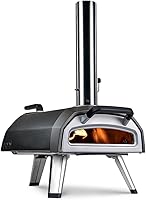
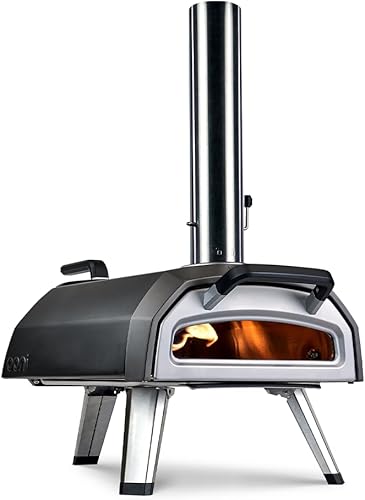
The Karu 2 burns wood or charcoal in its fuel tray, with a propane burner sold separately. That makes sense for a cook who wants solid fuel from the start and may add gas later.
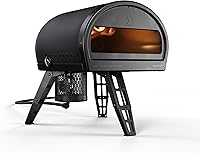
The Roccbox takes the opposite route: it comes configured for gas and accepts an optional wood burner attachment. It suits buyers who expect most meals to use gas but want another fuel option.
The Arc Lite uses propane. Pick it if you already know you don't want to store wood, tend embers or clear ash after dinner.
Gas still needs attention during cooking, but it removes the task of feeding a fire. Solid fuel adds another job at the same time you're handling dough, toppings and a hot peel.
Don't buy an extra burner simply because you might use it someday. Choose the setup that covers an ordinary pizza night, then add another fuel path when you have a reason.
For other Ooni choices, see Ooni models explained. Our gas vs wood-fired pizza oven guide helps if fuel is still your main question.
How do these Ooni and Gozney models compare?
All 3 ovens support 12-inch pizzas and temperatures up to 950°F. Those shared limits make fuel, handling and controls more useful buying clues than maximum heat alone.
Ooni advertises cooking temperatures in as little as 15 minutes for the Karu 2. Both brands advertise 60-second pizza cooking for these models, but dough thickness, toppings and heat at launch affect your actual bake.
A fast bake also isn't the full meal time. You still need to prepare dough, preheat the stone, launch each pizza and allow the floor to regain heat when needed.
| Product | Best for | Fuel | Pizza size | Temperature | Our score |
|---|---|---|---|---|---|
| Ooni Karu 2 | solid-fuel cooks | Wood or charcoal; optional gas burner | 12 in | Up to 950°F | 8.6 |
| Gozney Roccbox | gas-first backyard cooks | Gas; optional wood burner attachment | 12 in | Up to 950°F | 8.2 |
| Gozney Arc Lite | frequent oven movers | Propane | 12 in | Up to 950°F | 7.9 |
Ooni Karu 2: choose it for fire-focused cooking
The Karu 2 suits cooks who want to manage wood or charcoal, rather than simply turn on a gas oven. Its integrated thermometer and ClearView glass door give you a temperature reference and a view of the pizza.
The included stone provides the baking surface. The door lets you observe the bake, but you'll still need to turn the pizza and judge the underside as well as the crust.
Skip this model if you want propane from day 1 and don't want to buy a separate burner. Its main advantage has less value if you never expect to use solid fuel.
It's also a poor match for someone who wants to leave the oven unattended while preparing the rest of dinner. Fire management and a quick bake both reward having your ingredients ready before cooking starts.
Gozney Roccbox: choose it for a gas-first backyard setup
The Roccbox suits a backyard cook who wants gas now and optional wood later. Its folding legs and low-profile body help with packing it away between meals.
It has a thick stone floor and dense insulation, which Gozney credits with heat retention. That construction suits buyers interested in cooking several pizzas in a session, though you still need to watch floor heat between launches.
Skip it if carrying ease is your first concern. A compact shape can help it fit a storage spot without making it easy to lift.
For a closer look within the brand, read our Gozney Arc vs Roccbox comparison. Keep the exact model in mind, since different Gozney ovens don't share every feature.
Gozney Arc Lite: choose it for propane and frequent moves
The Arc Lite suits cooks who want direct gas adjustment and less weight to carry. Its gas control dial works with a lateral rolling flame system, giving you a clear way to adjust flame during a bake.
The removable stone floor is 12 mm thick, and the oven has dense 2-layer insulation. Removability gives you access for care, provided you follow Gozney's instructions and let everything cool first.
Skip it if wood or charcoal cooking is a firm requirement. A rolling gas flame doesn't turn a propane oven into a solid-fuel oven.
It also won't solve a need for larger pizzas. Choose the cooking format you actually want before deciding which brand looks better on your patio.
Which is easier to control, Ooni or Gozney?
For Ooni vs Gozney control choices, separate flame adjustment from temperature measurement. A control dial changes the heat input, while a thermometer helps you track heat.
The Arc Lite puts direct flame adjustment at the center of its setup. The Karu 2's built-in thermometer is useful for tracking the oven, but a chamber reading doesn't tell you the exact temperature of every part of the stone.
An infrared thermometer can help you check the cooking floor before launching. Use it consistently, measuring similar spots each time, so you can connect your heat readings with the results on the pizza.
Don't assume a strong flame means the base is ready. The air and visible flame can be hot while the stone still needs more time to absorb heat.
Start your first sessions with the same dough recipe and modest toppings. Changing dough, fuel and pizza size together makes it harder to work out why a base burns or a center stays soft.
Which oven is easier to move and store?
The Arc Lite is the easiest starting point for frequent moves, based on weight. It weighs 26.4 lb, compared with about 33.7 lb for the Karu 2 and 48.5 lb for the Roccbox.
Think about the whole carrying route, including steps, narrow doors and the height of your storage shelf. Lifting an oven from waist height is a different task from taking it off the floor.
The Roccbox's folding legs help with storage, but they don't reduce its carrying weight. Its portability makes more sense for occasional trips than for someone who dislikes lifting heavy equipment before every meal.
The Karu 2 measures 29 in deep, 16 in wide and 28 in high. Measure the storage opening and usable shelf space, not just the outside of the cabinet.
For any model, leave room for safe placement, fuel connections and working access. An oven's footprint alone doesn't tell you how much space the full cooking setup needs.
Our guide to pizza oven stands and tables explains surface planning. Check the manufacturer's required clearances before deciding that an oven will fit a small patio.
What should you prepare before the first cook?
Prepare a stable outdoor surface, the correct fuel and a clear work area before lighting the oven. Follow the manufacturer's assembly, clearance and fuel instructions for your exact model and burner.
Keep the oven away from doors, windows and anything that could catch fire. These models belong outdoors; a garage, shed or enclosed room isn't a substitute for an open cooking area.
If indoor cooking is your actual need, read whether you can use a pizza oven indoors before choosing a different type of oven.
Plan a nearby prep surface so raw dough and toppings don't compete with the hot oven for space. Keep the landing area clear before the first pizza goes in.
A placement peel, a way to turn the pizza and suitable heat protection belong in your setup plan. Don't assume accessories are included unless they're named in the package you choose.
For gas, follow the connection and leak-check procedure in the manual. With solid fuel, have suitable dry fuel ready and a safe plan for handling fully cooled ash.
Read the first-use instructions before inviting people over. A short practice session gives you room to learn the launch and turn without having several hungry guests waiting.
How do you avoid burnt crusts and undercooked centers?
Use small, lightly topped pizzas and a fully heated stone while you learn. Most early problems come from dough handling, uneven heat or poor timing rather than the name on the oven.
Make the launch easier before adding toppings
Shape the dough first, then check that it moves freely on the peel before adding toppings. A wet or overloaded pizza is harder to launch cleanly.
Use enough flour or semolina to prevent sticking, but avoid leaving a thick layer underneath. Excess loose flour can scorch and add a bitter taste.
Drain wet toppings and use a modest amount of sauce. A crowded center takes longer to cook while the edge keeps taking heat from the flame.
Turn the pizza before one side gets too dark
Watch the edge nearest the flame and turn as the dough firms up enough to move. Don't wait for the whole pizza to look finished before checking the far side.
Use the advertised fast bake as a cue to stay close, not as a countdown you must hit. A pizza is ready when its base, crust and toppings are cooked.
If the top darkens while the base stays pale, check stone heat and topping load before the next launch. If the underside burns first, reassess floor temperature and excess flour.
Give the stone time between pizzas
Allow the floor to recover when later pizzas develop paler bases. A hot flame above the pizza doesn't prove that the stone has replaced the heat lost to the previous dough.
Launch one pizza at a time as you learn, and prepare the next while the oven recovers. Our outdoor pizza oven use guide covers the cooking routine in more detail.
How should you clean and protect either brand?
Let the oven cool fully before cleaning, moving or covering it. Follow the care instructions for its stone, burner, glass and outer finish rather than using one cleaning method everywhere.
Remove loose food and ash with tools approved for the oven. Don't pour water onto a hot stone or wash it like a dinner plate, since sudden temperature changes can damage it.
Keep cleaners away from the cooking surface unless the manufacturer expressly allows them. A stained stone doesn't need to look new to remain useful.
With the Karu 2's glass door, use Ooni's approved cleaning method after it cools. For the Arc Lite's removable stone, follow Gozney's removal instructions rather than forcing it loose.
Keep burner openings clear and check fuel connections as directed before use. Store solid fuel dry so your next session doesn't begin with damp wood and an uneven fire.
For storage planning, read whether you need a pizza oven cover. Covering belongs at the end of cooling and cleaning, not immediately after the last pizza.
Which should you buy in the Ooni vs Gozney comparison?
For Ooni vs Gozney, buy around your ordinary pizza night. Choose the Karu 2 for managing a solid-fuel fire, the Roccbox for a gas-first backyard setup, or the Arc Lite when propane and easier carrying matter most.
If you enjoy outdoor fire cooking, the Karu 2 gives that interest a clear role. If you mainly want to make dinner, the gas-first Gozney choices reduce the number of jobs you handle during each bake.
Choose the Roccbox when folding storage and an optional wood path matter more than lifting weight. Choose the Arc Lite when you'll move the oven often and have no plans to burn wood.
Skip all 3 if you need indoor cooking, larger pies or an appliance you can leave alone during the bake. Settling those needs first prevents buying the wrong format from either brand.
Once you've chosen your fuel and carrying limit, compare any remaining alternatives in our guide to the best outdoor pizza ovens.
Frequently asked questions
Is Ooni or Gozney better for a first pizza oven?
For a first oven, choose the Arc Lite or Roccbox if you want gas cooking without tending a solid-fuel fire; choose the Karu 2 if managing wood or charcoal is part of the appeal. Your fuel preference matters more than the brand when you're learning to launch and turn dough.
Can you use gas with the Ooni Karu 2?
Yes, the Karu 2 accepts a gas burner sold separately for propane cooking; its solid-fuel setup supports wood or charcoal, so decide which fuel you'll use most before ordering accessories. Follow Ooni's instructions when fitting the burner or changing the oven's fuel setup.
Does the Gozney Roccbox use wood?
Yes, the Gozney Roccbox can burn wood with an optional wood burner attachment; its gas configuration suits buyers who want gas as their everyday fuel and wood as an occasional choice. Plan for the extra attachment and follow Gozney's instructions for installation, fuel use and ash removal.
Do Ooni and Gozney ovens cook 12-inch pizzas?
The Karu 2, Roccbox and Arc Lite all support 12-inch pizzas, but that doesn't describe every oven from either brand; smaller practice pizzas can leave more room for turning while you learn. If you mainly want large family pies, choose a larger format rather than stretching this size.
Which oven is easiest to carry?
The Arc Lite is the lightest of these 3 ovens at 26.4 lb, making it the strongest starting point for frequent moves; the Karu 2 weighs about 33.7 lb and the Roccbox about 48.5 lb. Also consider your carrying route, storage height and separate fuel supplies.