Ooni Karu 2 Pizza Oven Review: Worth It? (October 2026)
The Ooni Karu 2 suits outdoor cooks who want wood or charcoal now and optional propane later. Choose a gas-only alternative if you want propane from the start and have no interest in managing a fire.
On this page (10 sections)
- The Ooni Karu 2 at a glance
- Which Karu 2 fuel setup should you choose?
- Is the cooking space right for your household?
- What do the door and thermometer help you do?
- How should you set up for the first cook?
- Which cooking mistakes should you avoid?
- How much care does the Karu 2 need?
- How does the Karu 2 compare with alternatives?
- Should you choose the Ooni Karu 2?
- Sources
The Ooni Karu 2 is a good choice if you want a fire-focused outdoor pizza oven with the option to add propane. Skip it if you only want gas convenience, need larger pizzas or lack a suitable outdoor cooking area.
Its strongest reason to buy is flexibility, rather than a headline cooking time. Before choosing, decide how often you'll actually tend a fire and how many pizzas you want to serve in one session.
The Ooni Karu 2 at a glance
The Karu 2 suits cooks who enjoy managing the heat as well as making the pizza. It gives you a solid-fuel starting point and another fuel path later.
Ooni Karu 2
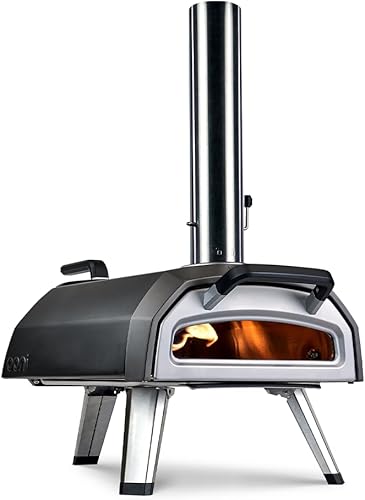
- 12 in pizza size
- Wood or charcoal
- Optional propane burner sold separately
- Integrated thermometer
Choose the Karu 2 if tending a wood or charcoal fire is part of the appeal. A separately sold propane burner gives you another way to cook when convenience matters more.
Pros
- Wood and charcoal cooking without the gas accessory
- Option to add propane later
- Integrated thermometer
- ClearView borosilicate glass door
Cons
- Propane burner sold separately
- Limited to smaller pizzas
- Solid fuel requires attention during cooking
Ooni says it reaches cooking temperatures in as little as 15 minutes, tops out at 950°F and can bake a pizza in 60 seconds. These are performance claims, so allow room in your schedule for preheating, dough preparation and heat recovery between pizzas.
A short bake also leaves little time to fix a poor launch or overloaded base. Think of speed as something to work toward once your dough handling and heat control are comfortable.
Who should buy the Ooni Karu 2?
Buy it if building and tending a fire is part of your ideal pizza night. It also makes sense if you want to start with solid fuel while keeping a gas option open.
Skip it if your ideal routine is turning a knob and cooking without adding fuel during the session. A propane-only oven better matches that habit, especially if you already know you'll never use wood or charcoal.
For the differences between this oven and the brand's other designs, use our guide to Ooni models before settling on a fuel system.
Which Karu 2 fuel setup should you choose?
Choose wood or charcoal if you want active fire management; choose propane if easier flame adjustment matters more. The gas burner is sold separately, so include it in your buying plan if gas is your intended everyday fuel.
Wood or charcoal for cooks who enjoy the process
Wood requires you to watch the fire and add suitable pieces as needed. Use dry fuel intended for cooking, and avoid painted, treated or unknown scrap wood.
Charcoal is another supported choice, but it still needs airflow and attention. Don't expect either solid fuel to hold a chosen heat level without your input.
Keep spare fuel dry and close enough to reach safely, without placing it against the hot oven. Our guide to wood for a pizza oven explains fuel selection in more detail.
Propane for a simpler cooking routine
Propane removes the repeated task of adding solid fuel. You still need to preheat the stone, watch the pizza and adjust the flame for the bake.
Use the compatible burner and follow Ooni's instructions for fitting and operating it. Let the oven cool before changing its fuel setup, and never improvise a gas connection.
If both routines appeal, read gas versus wood-fired pizza ovens to decide which one fits most of your meals.
Is the cooking space right for your household?
The Karu 2's 12-inch pizza format suits individual pies and meals served in rounds. Choose more cooking space if you want larger shared pizzas or dislike preparing several separate dough balls.
For a couple, taking turns choosing toppings can make smaller pies useful. For a group, serving each pizza in slices as it finishes keeps everyone eating while the next one cooks.
The limit is often your workflow rather than the advertised bake time. Stretching dough, adding toppings, launching and waiting for the stone to recover all affect how quickly you can serve dinner.
Plan where the next dough ball, finished pizza and hot tools will go. A narrow table with no prep space can make a compact oven feel harder to use than its size suggests.
Smaller rounds also leave more room for learning. Don't stretch dough to the oven's full limit on your first few sessions if you aren't yet confident using a peel.
What do the door and thermometer help you do?
The ClearView borosilicate glass door and integrated thermometer help you watch the oven and track its heat. They support cooking decisions, but a thermometer reading doesn't show whether every part of the stone is ready.
A pizza needs heat from below to cook its base and heat above to finish the rim and toppings. If those are out of balance, the top can color while the center underneath remains pale.
An infrared thermometer can help you check the stone surface, used according to its instructions. Treat it as another tool for judging readiness rather than chasing the highest possible number.
The oven includes a pizza stone, and its body has a powder-coated finish. Ooni provides a 1-year warranty; read the coverage terms if support is an important part of your choice.
How should you set up for the first cook?
Set the oven on a stable, heat-safe outdoor surface with the clearances required by Ooni. Leave enough working room to launch a pizza without reaching across fuel, tools or other people.
The oven measures 29 in deep, 16 in wide and 28 in high. Those measurements describe the oven itself, so allow additional space for safe operation and access.
Keep the cooking area away from foot traffic, children and pets. Don't move an outdoor combustion oven inside a garage or enclosed room to escape bad weather.
If indoor cooking is a requirement, start with purpose-built indoor pizza ovens instead.
Before lighting, read the assembly, first-use and fuel instructions. Gather a suitable pizza peel, turning tool, heat-resistant gloves and a place to set down hot equipment.
Prepare dough portions and toppings before you start cooking. For a complete launch-to-finish routine, follow our guide to using an outdoor pizza oven.
Which cooking mistakes should you avoid?
Avoid a cold stone, overloaded dough and delayed turns. These mistakes can spoil a pizza even when the oven has plenty of heat.
Launching before the stone is ready
Hot air doesn't mean the baking surface has absorbed enough heat. Give the stone time to warm, and check its readiness again between pizzas rather than relying only on a timer.
If the top finishes before the base, allow more stone heating before the next launch. Adjust one part of your routine at a time so you can see what helps.
Adding too much sauce or wet topping
Heavy toppings make dough harder to slide from the peel and slow cooking in the center. Drain wet ingredients and start with a light layer of sauce and cheese.
Keep the first pizzas simple while you learn the oven. A plain cheese pizza makes it easier to judge the crust without several toppings needing different cooking times.
Leaving topped dough on the peel
Dough can stick as it sits, especially under wet toppings. Build promptly, use a light dusting of suitable flour and check that the pizza slides before approaching the oven.
Too much loose flour can burn on the stone. Aim for enough to release the dough without leaving a thick bed beneath it.
Waiting too long to turn
Strong heat can color the side nearest the flame quickly. Watch the rim and begin turning once the base has set enough to move.
Don't leave the oven to prepare the next pizza during a short bake. Finish the current one before dividing your attention.
How much care does the Karu 2 need?
Let the oven cool fully before cleaning or storing it, and keep the stone dry. Solid-fuel cooking also leaves ash that needs removal according to Ooni's instructions.
Never pour water into a hot oven to speed cooling. A sudden temperature change can damage a baking stone.
Remove loose food and flour with a suitable stone brush once it is safe to do so. Follow Ooni's directions for stubborn residue, and avoid soaking the stone or using soap unless those instructions permit it.
Clean the glass with an approved method that protects its surface and fittings. Don't treat the door as a handle for moving the oven.
Before the next cook, check that the fuel area and airflow paths are clear. For propane use, follow the burner instructions for connection checks and maintenance.
Store the oven as directed once it is cool and dry. Keeping fuel and tools organized also makes the next session easier to start.
How does the Karu 2 compare with alternatives?
Choose an alternative when gas convenience, heat retention or larger pizzas matters more than switching fuels. These ovens solve different cooking needs, so start with your routine.
| Product | Best for | Pizza size | Fuel | Weight | Our score |
|---|---|---|---|---|---|
| Ooni Karu 2 | fire-minded cooks | 12 in | Wood or charcoal; optional propane burner sold separately | 15.3 kg | 8.6 |
| Solo Stove Pi Prime | gas-first beginners | 8.2 | |||
| Gozney Arc Lite | frequent pizza nights | 7.9 | |||
| HALO Versa 16 | larger family pies | 7.7 |
Solo Stove Pi Prime for gas-first beginners
Choose the Pi Prime if you want propane cooking with a front-facing flame control and a panoramic opening for watching and turning pizza. That combination suits someone who wants to focus on dough handling before adding fire management.
Solo Stove says it preheats in 15 minutes and can cook pizza in as little as 90 seconds. Its 304 stainless steel body and cordierite stone are useful construction details, but your workflow still determines the pace of dinner.
Skip it if wood or charcoal cooking is a firm requirement. It also leaves turning to you, so it won't suit someone choosing an oven mainly to avoid that task.
Gozney Arc Lite for repeated smaller bakes
Choose the Arc Lite if you want a propane oven for regular pizza sessions and value a design built around holding heat. It pairs a lateral rolling flame with a removable 12 mm stone floor and dense 2-layer insulation.
Gozney says the insulation and stone help retain heat through multiple bakes. That makes it worth comparing if you often serve several pizzas, though you should still check stone readiness between launches.
Skip it if your reason for considering the Karu is solid-fuel cooking or a move to larger pies. Its 12-inch format keeps you in the smaller-pizza routine.
HALO Versa 16 for larger shared pizzas
Choose the HALO if larger family pizzas and less manual turning are your priorities. Its 16-inch motorized stone rotates through 360 degrees, taking over a task you'd otherwise handle with a turning peel.
HALO says the stone reaches 750°F in 12 minutes and pizzas cook in about 5 minutes. Rotation doesn't remove the need to watch doneness or manage toppings.
It supports 20 lb LP tanks or 1 lb canisters and weighs 43.5 lb. Skip it if you'll carry the oven often or prefer a smaller setup over larger pizzas.
Should you choose the Ooni Karu 2?
Choose the Ooni Karu 2 if you'll use its solid-fuel options and enjoy cooking as an active part of the evening. Before ordering, settle your fuel plan, measure the outdoor workspace and decide how you'll serve several smaller pizzas.
Pick the Pi Prime for a straightforward gas routine, the Arc Lite for its insulated propane design, or the HALO for larger pies with automatic rotation. Those are stronger reasons to switch than a small difference in advertised cooking time.
If carrying and storage are your final concerns, compare the best portable pizza ovens. For a wider look at fuel types and home setups, use our home pizza oven guide.
Sources
Use the manufacturers' resources for model details, compatible accessories and operating instructions.
Frequently asked questions
Can the Ooni Karu 2 use gas?
Yes, the Ooni Karu 2 can use propane with a compatible gas burner sold separately; wood and charcoal work in its fuel tray without that accessory. Before choosing propane, check Ooni's compatibility instructions and account for the burner, fuel supply and safe outdoor space in your setup.
What size pizza fits in the Ooni Karu 2?
The Karu 2 is designed for pizzas up to 12 inches; smaller dough rounds are useful while you learn to launch and turn them. For groups, plan a series of pizzas served as they finish, or choose a larger oven if sharing bigger pies matters more.
How quickly does the Ooni Karu 2 heat up?
Ooni says the Karu 2 reaches cooking temperatures in as little as 15 minutes and has a maximum temperature of 950°F; those are separate claims, so don't assume the maximum arrives at that point. Check stone readiness as well as the oven reading before launching dough.
Is the Ooni Karu 2 portable?
The Karu 2 can move between outdoor cooking spots, but its 15.3 kg weight makes the carrying route worth considering; fuel, tools and a suitable cooking surface also belong in your travel plan. Let the oven cool fully before moving it, and follow Ooni's handling instructions.