8 Best Portable Pizza Ovens (October 2026)
The best portable pizza ovens include the Big Horn 12 inch multi-fuel for frequent moves, the Ninja Artisan MO201 for flame-free patios, and the Ooni Karu 2 for fire-tending cooks.
On this page (8 sections)
- Which best portable pizza oven pick fits your cooking plans?
- How we compared these portable pizza ovens
- How to choose the best portable pizza oven for your destination
- How should you set up a portable pizza oven?
- How do you get a crisp base without burning the top?
- Which portable pizza oven mistakes should you avoid?
- How do you clean, store and transport the oven?
- Which portable pizza oven should you buy?
The best portable pizza oven for frequent moving is the Big Horn 12 inch multi-fuel, thanks to its folding legs and manageable body. Choose the Ninja Artisan MO201 for outdoor electric cooking, or the Ooni Karu 2 if you enjoy tending a fire.
Portability includes the fuel, tools and cooling time as well as the oven. A model that works well beside your back door may be awkward for a campsite with a long walk from the car.
Our picks at a glance
-
1

-
2
-
3
Which best portable pizza oven pick fits your cooking plans?
Choose the Big Horn for carrying and storage, the Ninja for outdoor power, or the Karu 2 for solid-fuel cooking. The larger propane models and Pizzello suit buyers who value cooking space more than a light load.
Each pick below serves a different routine. Start with where you'll cook and how you'll get the oven there, then compare the controls and pizza capacity.
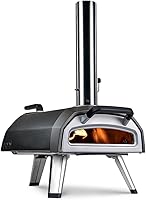
Big Horn 12 inch multi-fuel
- 25 lb oven
- Folding legs
- Hardwood pellet fuel
- Optional gas and electric attachments
Folding legs and a compact body suit cooks who put the oven away after each meal. Start with hardwood pellets, or add a separate gas burner or electric element for another fuel option.
Pros
- Folding legs simplify storage
- Minimal assembly without tools
- Optional gas and electric conversions
Cons
- Gas burner and electric element sold separately
- Pellets need dry, airtight storage
The Big Horn is the strongest match for cooks who bring an oven out for pizza night and store it afterward. Its 25 lb body and folding legs make that routine more practical than moving a larger oven each time.
It uses natural hardwood pellets as supplied, with gas and electric attachments sold separately. Choose it if pellet cooking appeals to you now and another fuel option might help later.
BIG HORN gives an 18–20 minute ready time and a maximum temperature of 1110°F. Treat those as brand figures, and check the stone's temperature before launching rather than relying on elapsed time.
There's no built-in thermometer, so an infrared thermometer is a useful addition. Keep the pellets in an airtight container, since damp fuel can affect the burn.
Skip it if you want knob-controlled cooking straight from the box or don't want to tend fuel. For pellet cooking, prepare toppings before lighting so you can focus on the fire and pizza.
Ninja Artisan MO201
- Electric heat from 90°F to 700°F
- Five pizza settings
- Bake, broil, proof and warm functions
- Pizza stone and bake pan included
Choose this outdoor electric oven when you want set temperatures and several cooking functions without tending a fire. Its need for a suitable power connection limits where you can take it.
Pros
- Electric temperature control
- Five pizza settings
- Viewing window and proofing function
Cons
- Needs a suitable power connection
- Fast pizza time excludes preheating
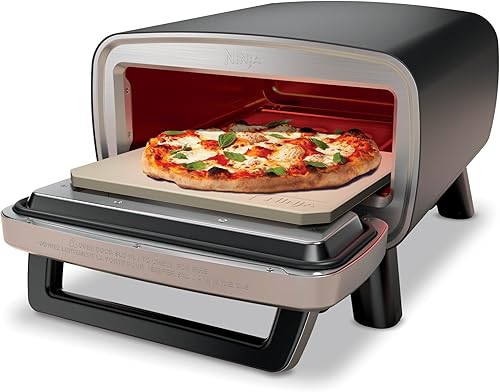
The Ninja Artisan MO201 fits a patio routine where a suitable outlet is always available. Its electric heat from 90°F to 700°F lets you set cooking temperatures without managing a flame.
Five pizza settings cover Neapolitan, thin crust, pan, New York and custom cooking. Bake, broil, proof and warm functions give it a role beyond pizza night, with a stone and bake pan included.
Ninja says a pizza can cook in 3 minutes without turning at the highest setting, after an 18-minute preheat. That makes preparation time worth planning even when the bake itself is short.
The viewing window helps you watch browning without opening the door. Choose this oven if you want to switch between pizza styles or use the proofing function for dough.
Skip it for destinations without dependable power. It is an outdoor electric appliance, so its fuel type doesn't make it a kitchen countertop oven.
Ooni Karu 2
- Wood or charcoal fuel
- Optional propane burner
- Integrated thermometer
- Glass door
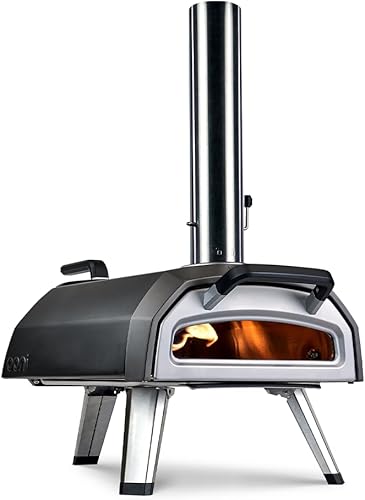
The Karu 2 suits cooks who enjoy managing a wood or charcoal fire and want a propane option later. A glass door and integrated thermometer help you follow the cook.
Pros
- Wood and charcoal cooking
- Integrated thermometer
- Glass door for viewing
Cons
- Propane burner costs extra
- Solid fuel requires attention and ash cleanup
The Ooni Karu 2 suits cooks who want fire management to be part of the meal. It burns wood or charcoal, with a separately sold propane burner available if your routine changes.
Its glass door lets you follow browning, while the integrated thermometer gives a reference for oven heat. An infrared thermometer can still help you check the cooking surface, since air and stone temperatures serve different purposes.
Ooni gives a maximum temperature of 950°F and says cooking temperature can be reached in as little as 15 minutes. Its fast-bake claim suits thin, lightly topped pizza rather than every dough style.
At 15.3 kg, this is a deliberate carry rather than something to add casually to a full load of camping gear. Plan space for fuel and ash cleanup too.
Choose it for flexible solid-fuel cooking. Skip it if your priority is the simplest possible start after work and you already know you'll use propane every time.
Big Horn 15 inch gas

- Fits pizzas up to 14.7 in
- Dual propane burners
- Built-in thermometer
- Foldable peel and regulator hose included
This larger propane oven suits families who want bigger shared pizzas and separate burner controls. It makes more sense for occasional transport than frequent carrying over long distances.
Pros
- Larger shared pizzas
- Independent burner controls
- Peel and propane regulator hose included
Cons
- Heavier carrying load
- No solid-fuel option
The Big Horn 15 inch gas suits families who want a larger pizza to share. It accommodates pizzas up to 14.7 inches, with independent knobs for its dual propane burners.
A built-in thermometer helps you follow oven temperature. BIG HORN says its burner arrangement supports cooking without rotation, though you should still watch the crust and adjust as needed.
The kit includes a foldable peel and propane regulator hose, which help complete the basic setup. Allow room beside the oven for the peel rather than filling the whole table with the appliance.
Its 35.3 lb weight makes it a better fit for short moves between storage and a patio than repeated carries across a large campsite. The cylinder and tools add to the total load.
Choose it when shared pizza size and burner control matter most. Skip it if individual pizzas meet your needs and compact packing is the reason you're buying a portable oven.
Solo Stove Pi Prime

- Propane fuel
- Panoramic opening
- Front-facing temperature control
- Cordierite pizza stone
A wide opening and front-facing flame control suit cooks who want to watch the crust and practice turning. Choose it for an involved propane cooking routine with easy access to the pizza.
Pros
- Wide access for turning
- Front-facing heat control
- 304 stainless steel body
Cons
- Requires a propane supply
- Pizza turning remains part of the cooking routine
The Solo Stove Pi Prime is a good fit for cooks who want a clear view of the pizza while learning to turn it. Its panoramic opening and front-facing control keep access and flame adjustment central to the design.
Propane provides the heat, and a cordierite stone forms the cooking surface. Solo Stove says it preheats in 15 minutes and can bake pizza in as little as 90 seconds.
That short bake leaves little time to fetch forgotten toppings or tools. Have a clear landing spot ready before you launch, and stay near the oven while the pizza cooks.
The body measures 20.5 x 20.5 x 15.13 inches, so check the depth of your outdoor table and storage shelf. Required clearances add to its working footprint.
Choose the Pi Prime if you like direct control and visible cooking. Skip it if you want preset pizza programs or a routine that removes turning from the job.
Gozney Arc Lite

- Propane gas
- Fits 12 in pizzas
- Lateral rolling flame
- 26.4 lb weight
The Arc Lite suits smaller outdoor setups where carrying weight and propane control matter. Its insulated body and removable stone floor support repeated pizza cooking without a solid-fuel routine.
Pros
- Relatively light body
- Two-layer insulation
- Removable stone floor
Cons
- Limited to propane cooking
- Cover and peels sold separately
The Gozney Arc Lite suits cooks who want a compact propane oven without moving into the heavier group here. Its 26.4 lb body makes it worth considering for regular moves between storage and a small patio.
A lateral rolling flame supplies heat across the cooking area. Gozney gives a maximum temperature of 950°F and a 60-second bake claim for a 12-inch pizza.
The removable 12 mm stone floor and two layers of insulation are useful features for repeated cooking. Gozney says they help the oven retain heat between bakes, but checking the stone remains better than rushing the next launch.
Peels and a cover are separate additions, so plan their storage along with the oven. A turning peel needs working room in front, even when the appliance itself is compact.
Choose it for propane cooking in a smaller outdoor setup. Skip it if you want wood fuel or regularly make pizzas larger than its cooking capacity.
Pizzello 16 inch wood-fired
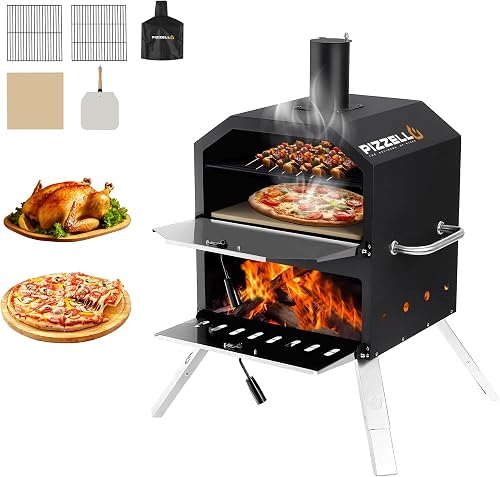
- Wood, charcoal or pellets
- 16 in pizza capacity
- Two cooking levels
- Adjustable legs and side handles
Choose the Pizzello for larger pizzas and meals that use both cooking levels. Its larger body suits a garden or patio base better than tight vehicle storage.
Pros
- Largest pizza capacity here
- Two levels for different foods
- Stone, peel, grill grates and cover included
Cons
- Needs more transport and storage space
- Solid fuel requires tending and ash disposal
The Pizzello is the pick for buyers who want one outdoor oven for pizza and other foods. Its two-level design and 16-inch pizza capacity suit meals where vegetables or other dishes share the cooking session.
It accepts wood, charcoal or pellets. Pizzello recommends putting the stone on the lower level, where temperatures are higher, so the two levels shouldn't be treated as equal baking zones.
Side handles and adjustable legs help with moving and positioning. The package includes a stone, peel, two grill grates and a waterproof cover.
Its 24.8 x 23.62 x 35.83-inch body needs a clear storage plan before you buy. Measure the vehicle opening as well as the space inside if you'll transport it.
Choose it for a patio base and mixed outdoor meals. Skip it for tight packing or a pizza-only routine where the extra rack space would stay unused.
Ooni Koda 2 Propane

- Propane only
- 14 in pizza stone
- Thicker stone for heat retention
- Hose and regulator included
The Koda 2 suits cooks who want extra working room and plan to bake several pizzas in a row. Its thicker stone favors heat retention, while the carrying weight suits shorter moves.
Pros
- More working room than a 12 in stone
- Tapered-flame burner system
- Hose and regulator included
Cons
- Not compatible with natural gas
- Less convenient for frequent long carries
The Ooni Koda 2 Propane suits cooks who plan to make several pizzas in a session and want more working room. Its 14-inch stone gives extra space for positioning compared with a smaller cooking floor.
Ooni says the thicker stone helps retain heat and reduces reheating time between pizzas. Its tapered-flame burner is designed to improve heat distribution.
A hose and 28 mBar regulator are included with this version. It is propane-only and isn't compatible with natural gas, so confirm that its supplied connection suits your intended setup before ordering.
The oven weighs 35.3 lb, making short moves more appealing than long carries. Account for the fuel cylinder when deciding how many trips you'll need from the car.
Choose it for repeated propane bakes where carrying distance is modest. Skip it if you need several fuel choices or want the easiest oven to lift into storage after every meal.
Big Horn 12 inch multi-fuel
- 25 lb oven
- Folding legs
- Hardwood pellet fuel
- Optional gas and electric attachments
Folding legs and a compact body suit cooks who put the oven away after each meal. Start with hardwood pellets, or add a separate gas burner or electric element for another fuel option.
Pros
- Folding legs simplify storage
- Minimal assembly without tools
- Optional gas and electric conversions
Cons
- Gas burner and electric element sold separately
- Pellets need dry, airtight storage
Ninja Artisan MO201
- Electric heat from 90°F to 700°F
- Five pizza settings
- Bake, broil, proof and warm functions
- Pizza stone and bake pan included
Choose this outdoor electric oven when you want set temperatures and several cooking functions without tending a fire. Its need for a suitable power connection limits where you can take it.
Pros
- Electric temperature control
- Five pizza settings
- Viewing window and proofing function
Cons
- Needs a suitable power connection
- Fast pizza time excludes preheating
Ooni Karu 2
- Wood or charcoal fuel
- Optional propane burner
- Integrated thermometer
- Glass door
The Karu 2 suits cooks who enjoy managing a wood or charcoal fire and want a propane option later. A glass door and integrated thermometer help you follow the cook.
Pros
- Wood and charcoal cooking
- Integrated thermometer
- Glass door for viewing
Cons
- Propane burner costs extra
- Solid fuel requires attention and ash cleanup
Big Horn 15 inch gas
- Fits pizzas up to 14.7 in
- Dual propane burners
- Built-in thermometer
- Foldable peel and regulator hose included
This larger propane oven suits families who want bigger shared pizzas and separate burner controls. It makes more sense for occasional transport than frequent carrying over long distances.
Pros
- Larger shared pizzas
- Independent burner controls
- Peel and propane regulator hose included
Cons
- Heavier carrying load
- No solid-fuel option
Solo Stove Pi Prime
- Propane fuel
- Panoramic opening
- Front-facing temperature control
- Cordierite pizza stone
A wide opening and front-facing flame control suit cooks who want to watch the crust and practice turning. Choose it for an involved propane cooking routine with easy access to the pizza.
Pros
- Wide access for turning
- Front-facing heat control
- 304 stainless steel body
Cons
- Requires a propane supply
- Pizza turning remains part of the cooking routine
Gozney Arc Lite
- Propane gas
- Fits 12 in pizzas
- Lateral rolling flame
- 26.4 lb weight
The Arc Lite suits smaller outdoor setups where carrying weight and propane control matter. Its insulated body and removable stone floor support repeated pizza cooking without a solid-fuel routine.
Pros
- Relatively light body
- Two-layer insulation
- Removable stone floor
Cons
- Limited to propane cooking
- Cover and peels sold separately
Pizzello 16 inch wood-fired
- Wood, charcoal or pellets
- 16 in pizza capacity
- Two cooking levels
- Adjustable legs and side handles
Choose the Pizzello for larger pizzas and meals that use both cooking levels. Its larger body suits a garden or patio base better than tight vehicle storage.
Pros
- Largest pizza capacity here
- Two levels for different foods
- Stone, peel, grill grates and cover included
Cons
- Needs more transport and storage space
- Solid fuel requires tending and ash disposal
Ooni Koda 2 Propane
- Propane only
- 14 in pizza stone
- Thicker stone for heat retention
- Hose and regulator included
The Koda 2 suits cooks who want extra working room and plan to bake several pizzas in a row. Its thicker stone favors heat retention, while the carrying weight suits shorter moves.
Pros
- More working room than a 12 in stone
- Tapered-flame burner system
- Hose and regulator included
Cons
- Not compatible with natural gas
- Less convenient for frequent long carries
How we compared these portable pizza ovens
We compared carrying features, fuel needs, cooking space and controls, with portability as the main priority. Scores reflect that fit, so a lower-ranked oven may suit your pizza size or fuel preference better.
Folding legs matter when storage is tight; a larger stone matters when you need room to turn. Neither feature helps much if the oven's fuel can't be used at your destination.
We also considered what each cooking routine asks of you. Fire tending, dough preparation and clearing ash take time that a fast-bake claim doesn't include.
Our gas vs wood-fired pizza oven guide explains the fuel tradeoffs. For a broader view of appliance types, start with pizza ovens for home.
How to choose the best portable pizza oven for your destination
Choose around the whole trip from storage to cooking, including lifting, fuel access and a place to cool the oven. A light appliance can still be awkward if its shape doesn't fit your car or shelf.
Which portable pizza oven is best for frequent carrying?
The best choice is one you can lift comfortably along your actual route. Measure narrow doorways, steps and vehicle openings before judging portability by weight alone.
Count the separate loads too: oven, fuel, peel, ingredients and serving supplies. A longer walk may favor smaller individual pizzas and less equipment over a larger cooking chamber.
Transport the oven cold and secure any removable parts according to its instructions. Never move a hot oven to make packing faster.
Which fuel fits your cooking spot?
Propane suits outlet-free cooking with adjustable heat, while electricity suits a dependable powered patio. Wood, charcoal and pellets suit cooks who have time and permission to manage a fire.
Check local fire rules and the destination's cooking policy before taking any fuel-burning oven. Some places restrict solid fuel even when gas appliances are allowed.
For gas, use only the specified fuel, regulator and connection. For electricity, follow the appliance's power and outdoor connection requirements rather than assuming any extension cord will work.
If several Ooni fuel choices appeal, the Ooni models guide explains the differences. Our best outdoor pizza ovens roundup also covers choices beyond this portable group.
How much cooking space will you use?
Choose a size for your usual dough portions and serving style. Smaller pizzas work well when people want different toppings, while a larger pie reduces the number of separate launches for a shared meal.
The largest possible pizza isn't always the easiest starting point. Leaving space around the dough gives you more room to turn and recover from an uneven launch.
Check that your peel fits both the pizza and the oven opening. A large stone doesn't help if your tools make launching awkward.
Which accessories deserve space in your setup?
Start with a suitable peel, a way to check stone temperature, heat protection and a clear serving surface. Compare included tools before adding duplicates.
Keep raw preparation separate from the hot landing area. Carrying a finished pizza across a crowded table is avoidable if you plan both spaces before lighting.
Our pizza oven stand and table guide helps you choose a surface with enough working room.
How should you set up a portable pizza oven?
Set the oven on a stable, level, suitable surface with the clearances its manual requires. Leave enough room to work the peel without reaching across fuel, cords or other people.
Keep outdoor ovens in an open outdoor location, away from enclosed spaces. A garage with the door open isn't a substitute for following the appliance's outdoor placement instructions.
Fit legs and removable parts before connecting fuel or power. Follow the manual's gas connection checks or electrical setup steps each time you assemble the oven.
Plan a safe route around hoses and cords, then place ingredients within easy reach. Keep children and pets away from the hot cooking area.
Allow time for cooling before the trip home. Cooking away from home works best when pizza isn't the final task before departure.
How do you get a crisp base without burning the top?
Heat the stone fully and keep toppings light so the base can cook before the rim becomes too dark. The highest temperature isn't the right setting for every pizza style.
Use an infrared thermometer suitable for the oven's temperature range to check the stone. A chamber thermometer helps track heat, but it doesn't tell you directly how hot the baking surface is.
Shape the dough and add toppings close to launch time. A topped pizza left sitting on the peel can absorb moisture and stick.
Use enough flour to release the dough, then shake off loose excess. Too much flour can burn on the stone and leave bitter patches beneath the crust.
For ovens that need turning, rotate before the flame-facing edge becomes too dark. Turn the pizza rather than repeatedly moving it closer to the strongest heat.
After each bake, give the stone time to recover. Make the next launch depend on surface temperature instead of a fixed countdown.
Which portable pizza oven mistakes should you avoid?
Avoid buying around maximum heat alone or treating a short bake time as the full cooking session. Setup, preheating, shaping and recovery between pizzas all affect how smoothly dinner runs.
Don't start with the largest, wettest pizza the oven can accept. A smaller dough round with restrained toppings is easier to launch, turn and remove.
Don't assume a brand's no-turn cooking claim removes the need to watch. Dough thickness, placement and toppings can change where browning develops.
Avoid combining several unfamiliar jobs on the first cook. Learn the launch and heat control with a simple pizza before adding side dishes or changing fuel setups.
Leave a recovery plan for a failed launch. Follow the manual before removing fallen food, and never reach into the hot chamber.
How do you clean, store and transport the oven?
Let the oven and fuel residue cool fully before cleaning, covering or packing. Follow the model's care instructions for the stone, burner and outer body.
Brush or scrape the dry stone as directed, and avoid soaking it or using soap unless its instructions allow that. Don't cool a hot stone with water.
Keep meat juices and oily dishes off the bare stone by using suitable oven-safe cookware. Check that the cookware and its handles are rated for the heat you'll use.
For solid-fuel models, place cold ash in a suitable noncombustible container. Keep pellets sealed and dry between trips.
Protect a cold oven from moisture during storage, while keeping any required ventilation clear. Our guide to pizza oven covers explains when a cover helps and what it needs to fit.
Which portable pizza oven should you buy?
Buy the Big Horn 12 inch multi-fuel if frequent moving and compact storage define your search for the best portable pizza oven. Choose the Ninja Artisan MO201 when outdoor power is reliable and set temperatures appeal more than fire tending.
Pick the Karu 2 for wood or charcoal cooking, or the Pizzello when mixed meals and larger pizzas justify more space. For propane, choose the Pi Prime for open access, the Arc Lite for a lighter compact setup, or either larger gas model when working room takes priority.
Before ordering, settle 3 things: where the oven will stand, how you'll supply fuel and where it will cool. Then follow how to use an outdoor pizza oven to prepare for your first cook.
Our top 3 picks at a glance
-
1
-
2
-
3
Frequently asked questions
What makes a pizza oven portable?
A portable pizza oven must fit your carrying route, vehicle and storage space, along with its fuel and tools. Weight alone doesn't settle the choice.
Folding legs help with packing, while handles can help with lifting.
Always let the oven cool fully before moving it, and secure loose parts for transport.
Which fuel is easiest for a portable pizza oven?
Electricity is convenient at a patio with suitable power, while propane offers knob-controlled heat away from an outlet. Wood, charcoal and pellets add fire management and ash cleanup.
Choose around the destination's fuel rules, available connections and storage space.
A portable oven is only useful where you can safely power it.
Can you use a portable pizza oven indoors?
Keep these outdoor ovens outdoors; electric power alone doesn't make an outdoor appliance suitable for a kitchen. Propane and solid fuels also create a carbon monoxide risk.
Follow the model's placement instructions and read our guide to using a pizza oven indoors before considering a different appliance for indoor cooking.
Do portable pizza ovens need a stand?
A dedicated stand is optional if you already have a stable, level surface that meets the oven's heat, load and clearance requirements. Leave space to launch and retrieve pizzas.
Avoid choosing a table by size alone, and use our guide to pizza oven stands and tables to plan the working area.