How to Choose a Pizza Oven: Fuel, Size and Heat
The best pizza oven for beginners is the Piezano for indoor countertop cooking or the Big Horn 15 inch gas for outdoor burner control. Choose the Big Horn pellet oven or Pizzello wood-fired model if managing a fire is part of the cooking experience you want.
On this page (11 sections)
- What type of pizza oven is easiest for a beginner?
- How large should a beginner's pizza oven be?
- How much heat does a beginner need?
- Which beginner pizza oven fits each cooking style?
- What should you arrange before the oven arrives?
- How should you cook your first few pizzas?
- Which beginner mistakes cause the most trouble?
- How do you clean and store a pizza oven?
- How can a beginner choose between gas and wood?
- How we chose these beginner options
- What is the best pizza oven for beginners?
The best pizza oven for beginners is the Piezano for indoor countertop cooking, or the Big Horn 15 inch gas for outdoor cooking with burner controls. Wood and pellet models suit beginners who want fire tending to be part of pizza night.
Choose your cooking location before comparing maximum temperatures. Then match the oven to your usual meal size, available storage and willingness to manage fuel while handling dough.
What type of pizza oven is easiest for a beginner?
Indoor electric is the simplest starting point for countertop cooking, while gas is the easier outdoor choice for cooks who don't want to tend a fire. Wood and pellets add fuel handling to the skills you'll learn.
| Fuel | Suitable location | What you'll manage |
|---|---|---|
| Electric | Indoors only when the oven is designed for it | Outlet access, preheating and heat settings |
| Gas | Outdoors for these fuel-burning models | Propane supply, ignition and burner adjustment |
| Wood or pellets | Outdoors | Dry fuel, airflow, fire tending and ash |
An electric oven removes the need to build a fire, but you still need to learn how dough and toppings respond to heat. Separate upper and lower controls can help you correct a pale base or an over-browned top.
Gas gives you a direct way to adjust the flame during an outdoor cooking session. It suits someone who wants to focus first on stretching, launching and judging pizza.
Choose solid fuel because you enjoy the process, rather than because it sounds more advanced. Adding fuel while a pizza cooks creates another task at the moment you need to watch the crust.
For the wider fuel comparison, see our guide to gas, wood and electric pizza ovens. If countertop cooking is your main goal, our indoor pizza oven guide narrows the choices to that setting.
How large should a beginner's pizza oven be?
Choose enough cooking space for the pizzas you'll actually make, with room to move them as needed. A larger oven helps with bigger pies, but it doesn't replace a plan for feeding people in batches.
A compact oven works well when everyone shares slices as each pizza finishes. If you want each person to receive a whole pizza together, a single-pizza cooking routine may feel slow regardless of the oven's headline bake time.
Your first pizzas should be smaller than the full cooking surface. That leaves more room for an uneven shape and makes the dough easier to launch and retrieve.
Measure the whole work area, including the space in front of the opening. You'll need somewhere to stretch dough, load the peel and set down the finished pizza without crossing the hot cooking zone.
Also check the path between storage and the cooking spot. Stairs, narrow doors and a long carry can make an oven inconvenient even when it fits the table.
Our best portable pizza ovens guide can help if moving the oven between uses matters as much as cooking capacity.
How much heat does a beginner need?
A beginner needs a thoroughly heated cooking surface and useful heat control, rather than the highest possible maximum temperature. Very fast baking leaves less time to correct a poor launch or uneven browning.
A hot chamber doesn't mean the stone has finished heating. Follow the oven's preheating directions, and use an appropriate surface reading when the instructions recommend one.
An infrared thermometer reads the surface you point it at. A chamber gauge measures heat at its own location, so the two readings answer different questions.
Very high heat favors thin dough and modest toppings. A thick base or heavy layer of wet ingredients can leave the center underdone while the outside darkens.
How should beginners use pizza oven temperature controls?
Use one small adjustment at a time so you can connect the change to the result. Keep dough size, thickness and toppings similar across your first few pizzas.
If the top browns before the base cooks, review stone preheating and the balance of upper and lower heat where adjustable. If the base burns first, check for excess flour underneath and follow the oven's guidance on reducing heat.
Leave time for the cooking surface to recover between pizzas. Loading another pie immediately onto a cooler area can give you a pale bottom even when the first pizza cooked well.
Which beginner pizza oven fits each cooking style?
Choose Piezano for indoor convenience, Big Horn gas for outdoor burner control, or a solid-fuel model for fire cooking. Each option below suits a different routine, so decide which routine you want before comparing accessories.
Piezano 12 inch electric: best for beginner countertop cooking
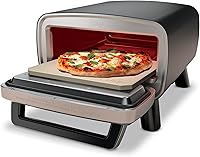
The Piezano suits a beginner who wants to make pizza indoors without arranging an outdoor cooking area. Its separate upper and lower heat controls let you adjust browning above and below the dough.
It uses 1200W and plugs into a standard 120V outlet. PIEZANO says it reaches 800°F and bakes a fresh pizza in under 6 minutes, though that bake time doesn't include preheating.
The see-through window helps you watch browning without repeatedly opening the lid. Use that view to learn how quickly the top changes, then check the base before deciding the pizza is ready.
The oven measures 13.62 in deep, 13.77 in wide and 6.49 in high. Allow additional operating clearance and room to open the lid, rather than treating those measurements as the full space requirement.
Buy it for regular indoor pizza nights and smaller pies. Skip it if you want larger family pizzas or an outdoor flame-cooking routine.
Big Horn 12 inch multi-fuel: outdoor pellet cooking with options
The Big Horn multi-fuel suits a beginner who wants to learn pellet cooking and may change fuel setups later. Gas and electric attachments are sold separately, so this isn't a complete three-fuel kit out of the box.
Its 12 in square stone supports a compact cooking setup, while folding legs help with storage. At about 25 lb, it's also lighter to move than the gas model below.
BIG HORN specifies natural hardwood pellets and recommends keeping them in an airtight container. Damp fuel makes the fire harder to manage, so dry storage belongs in your setup plan.
There's no built-in thermometer, and BIG HORN recommends an infrared thermometer. The brand also calls for frequent pizza turns, which makes a peel and close attention essential parts of the routine.
Buy it if tending pellets appeals to you and you have suitable outdoor space. Skip it if you want burner controls immediately without buying an extra attachment.
Big Horn 15 inch gas: outdoor cooking with burner controls
The Big Horn gas oven suits beginners who want outdoor pizza cooking without feeding a solid-fuel fire. Dual-side burners have independent control knobs, and a built-in thermometer helps you monitor chamber heat.
BIG HORN says it reaches 750°F in 10 minutes and up to 1,070°F at maximum. Start by learning a manageable cooking routine instead of aiming for its fastest advertised bake.
The oven measures 21 in deep, 18.6 in wide and 23 in high, and weighs 35.3 lb. Plan a stable outdoor position and a comfortable way to move it once completely cool.
BIG HORN gives conflicting stone dimensions for this model, so confirm the included stone size and usable pizza diameter before ordering. That matters if larger pizzas are your main reason for choosing it.
Buy it for outdoor cooking with adjustable burners and less fire tending. Skip it for indoor use or if carrying a heavier oven would keep you from using it regularly.
Pizzello 16 inch wood-fired: larger meals and fire cooking
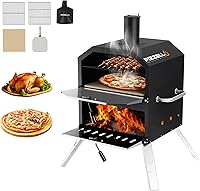
The Pizzello suits beginners who already enjoy outdoor fire cooking and want space for more than pizza. It accepts wood, pellets or charcoal, and its removable center rack changes how you can use the chamber.
The two-layer layout includes grill grates, but learn pizza on its own before trying to manage several foods at once. PIZZELLO recommends placing the stone on the lower level because that level runs hotter.
Its outside dimensions are 24.8 in deep, 23.62 in wide and 35.83 in high. Adjustable legs offer two height settings, though you'll still need to check stability and working height at your chosen location.
The larger cooking area gives you room to grow into bigger pies. Start smaller while learning, and avoid placing raw meat where juices could drip onto other food or the pizza stone.
Buy it for a broader outdoor cooking routine that includes tending fuel. Skip it if compact storage or a quick plug-in setup is your priority.
What should you arrange before the oven arrives?
Arrange the cooking position, fuel or outlet, and a clear preparation area before your first pizza night. Accessories help only after the oven has a suitable place to operate.
Check the manual's required clearances around and above the oven. Keep the working area away from passing traffic, and give the person using the peel room to step back.
For outdoor gas cooking, follow the connection and leak-check directions before ignition. For wood and pellets, prepare the approved fuel and a safe ash-disposal routine.
Keep fuel-burning outdoor ovens outside. An optional electric attachment doesn't by itself make an outdoor oven suitable for indoor use.
A peel is needed to move the pizza, and heat-resistant gloves help with permitted hot parts or cookware. Check what's included before buying duplicate tools.
A dedicated stand can help when your existing table is too small or unstable. Read whether you need a pizza oven stand or table before choosing the support.
How should you cook your first few pizzas?
Start with small, thin pizzas and light toppings, then change one part of the process at a time. The first goal is a clean launch and an evenly cooked base, rather than a large pie.
Prepare dough, sauce, toppings and serving space before heating the oven. For a first session, have one person handle the oven while someone else prepares the next pizza.
Keep the dough easy to move
Follow the dough recipe's resting directions before stretching. If it keeps pulling back, give it more time instead of forcing it thin enough to tear.
Dust the peel lightly with a suitable flour or semolina, then check that the dough slides before adding toppings. Too much loose flour can scorch on the stone and leave bitter residue.
Launch soon after topping
Keep sauce thin and drain watery ingredients. A heavy center is harder to move and takes longer to cook than the uncovered rim.
Give the loaded peel a gentle shake before approaching the oven. If the dough sticks, loosen it on the preparation surface rather than trying to force it off over the hot stone.
Watch the pizza throughout the bake
Follow the oven's turning directions and stay beside it while cooking. Watch both the rim and the base, since melted cheese alone doesn't prove the dough is done.
Make a short note after each pizza: pale base, dark edge, too much sauce or difficult launch. Our guide to using an outdoor pizza oven explains the cooking sequence in more detail.
Which beginner mistakes cause the most trouble?
The most common problems come from rushing preheating, overloading dough and changing too many things at once. Fix the cause before adding more heat.
| Problem | Likely cause to check | Useful next step |
|---|---|---|
| Pale or soft base | Stone not fully heated; wet toppings | Complete preheating and reduce moisture |
| Burnt flour underneath | Too much loose flour on the peel | Dust lightly and remove excess |
| Dough stuck to the peel | Long wait after topping; damp dough | Check movement early and launch promptly |
| Dark edge with an underdone center | Thick dough or uneven exposure | Make a smaller, thinner pizza and turn as directed |
| Later pizzas cook differently | Heat changed between bakes | Check recovery before loading again |
Don't respond to every pale pizza by raising the oven to maximum. A fully heated stone and a lighter topping load may solve the problem without making the rim burn faster.
Avoid stretching your first pizza to the oven's full capacity. A small, easy-to-handle pie teaches the same skills with more room for error.
How do you clean and store a pizza oven?
Let the oven cool completely before cleaning, covering or moving it, and follow its care instructions for the stone and body. Don't pour cold water onto a hot stone.
Remove loose crumbs and burnt flour with the approved brush or scraper. Avoid soaking the stone or adding detergent unless the manufacturer expressly permits it.
For solid-fuel ovens, make sure ash is fully cold before disposal. Keep it in a suitable noncombustible container rather than putting warm ash into household trash.
Dry the oven before storage, and keep pellets sealed away from moisture. A cover helps protect a cooled outdoor oven, but it doesn't replace the manufacturer's storage directions.
Our guide to pizza oven covers explains when a cover is useful and how to avoid trapping moisture.
How can a beginner choose between gas and wood?
Choose gas for a simpler outdoor cooking routine, or wood and pellets if managing the fire is part of the appeal. Fuel preference matters more than chasing a higher maximum temperature.
Gas lets you focus on dough handling while learning burner adjustments. Solid fuel asks you to watch both the pizza and the fire, then deal with ash afterward.
Think about an ordinary weeknight rather than a special gathering. If fetching fuel and cleaning ash would stop you cooking, choose the routine you'll use more often.
The gas vs wood-fired pizza oven guide compares these choices in more detail.
How we chose these beginner options
We compared fuel setup, cooking area, heat controls, included tools and storage needs to identify different beginner use cases. The aim is to match each oven to a realistic cooking routine.
Heating speeds and bake times are brand claims. Dough, toppings, preheating and outdoor conditions affect the result, so use those figures for planning rather than as a timer for every pizza.
What is the best pizza oven for beginners?
The best pizza oven for beginners is the one whose setup you'll willingly repeat. Choose the Piezano for indoor meals, or the Big Horn gas model if outdoor cooking with burner controls fits your space.
Pick the Big Horn multi-fuel if you want to learn pellet cooking and keep attachment options open. Choose the Pizzello if larger pies, other outdoor foods and fire tending are all part of your plan.
Before ordering, settle three things: where it will operate, where it will live after cooling, and how you'll serve pizzas in batches. Use our home pizza oven comparison if you still need to narrow the fuel choice.
Frequently asked questions
What is the easiest pizza oven for a beginner?
An indoor electric pizza oven is the easiest starting point for countertop cooking because you don't need to manage fuel or a flame. For outdoor use, gas offers burner controls without fire tending, although either type still requires practice with dough, preheating and judging when the pizza is done.
Is a 12 inch pizza oven big enough?
A 12 inch oven suits personal pizzas, smaller households and meals served in batches; for a group, plan to slice and share each pizza as it finishes rather than serve everyone a whole pizza at once. Choose a larger cooking surface if making larger pies matters more than compact storage.
Should a beginner choose gas or wood?
Choose gas if you want outdoor pizza cooking with adjustable burner controls and less fuel handling; choose wood or pellets if building and tending a fire appeals to you. Both need close attention during a bake, but solid fuel adds another task while you're learning to launch and turn dough.
Can I use an outdoor pizza oven indoors?
No, keep outdoor pizza ovens outdoors, and never burn gas, wood, pellets or charcoal indoors in these ovens. For countertop cooking, choose an electric model designed for indoor use and follow its clearance instructions; read our guide to using a pizza oven indoors before choosing a location.
Do I need a pizza oven stand?
You need a stable support that meets the oven's heat-resistance, load and clearance requirements, but it doesn't have to be a dedicated stand. Allow room to work the peel without reaching across the hot oven; our guide to pizza oven stands and tables explains how to plan that space.