Ooni Koda 2 Pizza Oven Review: Worth It? (October 2026)
The Ooni Koda 2 suits outdoor cooks who want propane control and space to turn pizza. Choose an alternative if you need a lighter carry, a rotating stone or natural gas compatibility.
On this page (9 sections)
- Is the Ooni Koda 2 a good fit?
- What does the larger stone help you do?
- How portable is the Koda 2 in everyday use?
- What should you check before connecting propane?
- How do you get better results from the first cook?
- Which alternative solves your biggest cooking problem?
- Which common mistakes should you avoid?
- How should you clean and store the oven?
- Should you buy the Ooni Koda 2?
The Ooni Koda 2 suits outdoor cooks who want adjustable propane heat and room to turn pizza. Its 14-inch stone makes sense for backyard pizza nights, especially if you prefer several smaller pies to stretching every pizza to the oven's limit.
The buying decision comes down to your cooking routine. Choose this model if you can give it a suitable outdoor station and stay beside it during each bake; look elsewhere if you need indoor use, natural gas or automatic rotation.
Is the Ooni Koda 2 a good fit?
The Koda 2 is a good fit for small-group pizza nights with a cook at the oven. Gas control removes the job of feeding a wood fire, leaving you to focus on dough handling, stone heat and turning.
It works especially well as a choice for households that want different toppings on each pizza. Make and share one pie at a time, then launch the next when the cooking surface has recovered enough heat.
Skip it if your goal is to load dinner and walk away. A live flame can brown one side faster than the other, so you need to watch the crust and turn the pizza throughout the bake.
For a broader look at fuel and appliance types, start with our guide to pizza ovens for home. That can help you decide whether an outdoor gas oven matches how you actually cook.
What does the Ooni Koda 2 score mean?
The Koda 2 earns a 7.2 score for its balance of cooking room, gas control and portability. Its fuel restriction and need for active turning keep it from being the easiest choice for every household.
The alternatives below score differently because they solve different problems. A higher score does not make a smaller cooking surface or a heavier oven a better fit for your space.
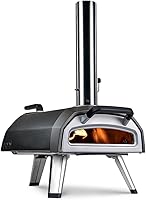
Ooni Koda 2 Propane

- 14 in pizza stone
- Propane only
- 35.3 lb
Choose it for outdoor pizza nights where working room and easy flame adjustment matter. The thicker stone is designed to help with several pizzas in a row.
Pros
- Room to launch and turn smaller pizzas
- Ooni says the thicker stone reduces reheating between bakes
- Gas hose and regulator included
Cons
- Cannot connect to natural gas
- Manual turning requires attention during each bake
What does the larger stone help you do?
The stone gives you working space around the pizza, which matters during launch and turning. Leave a margin instead of treating its full width as a dough-size target.
A pizza that fits comfortably is easier to rescue if it lands off-center. It also gives you room to slide a turning peel underneath without pressing the crust against the oven wall.
Ooni says the stone is 50% thicker than the Koda 12's and retains heat better between bakes. That feature matters most when you want to serve several pizzas in succession, since each fresh dough base draws heat from the stone.
The tapered G2 burner is designed to spread heat more evenly. You still need to rotate the pizza because the side nearest a live flame can cook faster.
Don't choose this oven solely for its maximum heat. Strong floor heat helps a thin base cook quickly, but a thick pizza with wet toppings needs a different balance of flame, time and dough thickness.
How portable is the Koda 2 in everyday use?
At 35.3 lb, the Koda 2 is movable, but carrying the oven is only part of moving your cooking setup. You also need to transport fuel, tools and a safe surface for cooking.
It makes sense for moving between storage and a backyard station. Frequent trips involving stairs or a long walk favor a lighter oven, particularly if you usually carry everything alone.
Let the oven cool fully before moving it, and follow Ooni's handling instructions. Plan where the cold oven will live so you don't have to rearrange a crowded shed after every pizza night.
Your table needs space for safe oven placement, with a separate landing area for hot food. Keep dough preparation away from the oven mouth so flour, tools and waiting pizzas don't crowd the hot zone.
Our guide to a pizza oven stand or table explains how to plan working height and support. Check the oven's required clearances as well as its footprint before choosing furniture.
What should you check before connecting propane?
This Koda 2 model needs propane and a compatible bottle connection. It includes a gas hose and 28 mBar regulator, and it cannot connect to a natural gas line.
Confirm the correct setup for your location before ordering a bottle or other fuel equipment. Follow Ooni's instructions for connecting the regulator, checking for leaks and lighting the burner.
Place the oven on a stable surface approved for the job, with the manual's clearances from walls, overhead structures and nearby objects. Route the hose away from hot surfaces and walking paths.
Keep the bottle in the position Ooni requires, and leave its valve accessible. A well-planned station lets you adjust or shut off the fuel without reaching across the oven opening.
Use the oven outdoors, with children and pets kept away from hot surfaces. Read our guide to using a pizza oven indoors if you're deciding between an outdoor gas model and an appliance made for indoor cooking.
How do you get better results from the first cook?
Start with small, lightly topped pizzas and a fully heated stone. This gives you more room to work and reduces the chance of a browned crust surrounding a damp middle.
Prepare tools before lighting
Have a launch peel, a turning tool and a heat-safe landing area ready before the first pizza goes in. An infrared thermometer can help you judge the stone surface rather than guessing from the flame.
Keep the preparation surface dry and dust the peel lightly. Too much loose flour can scorch, while too little can leave dough stuck to the peel.
Give the floor time to heat
Follow Ooni's preheating instructions and check the cooking surface before launching. A hot flame does not mean the stone underneath has reached the heat you need.
Between pizzas, allow the floor to recover rather than launching on a fixed schedule. If later bases stay pale while the tops brown, pause and let the stone regain heat.
Launch promptly and turn with purpose
Check that the shaped pizza slides on the peel before approaching the oven. If it sticks, free it on the preparation surface rather than shaking it loose over the hot stone.
Let the base set enough to move, then turn the pizza in small steps as the edge colors. Keep watching after each turn because the newly exposed side is now facing stronger heat.
Match the flame to the pizza
Use the control to manage top browning once the floor is ready. If cheese and crust darken before the base cooks, reduce the flame and reconsider dough thickness or topping moisture on the next pizza.
Drain wet ingredients and avoid heavy piles in the center. Our guide to how to use an outdoor pizza oven covers the wider cooking sequence.
Which alternative solves your biggest cooking problem?
Choose an alternative when visibility, carrying weight or stone rotation matters more than the Koda 2's working room. Each oven below suits a different routine.
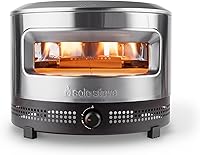
Solo Stove Pi Prime

- Propane fueled
- Panoramic opening
- Demi-dome heating
The panoramic opening suits cooks who want a clear view of the crust while learning to turn pizza. Front-facing controls keep flame adjustment within easy reach.
Pros
- Wide opening for monitoring and turning
- Front-facing temperature control
- Cordierite cooking stone
Cons
- Requires manual pizza turning
- Requires a suitable outdoor cooking area
Solo Stove Pi Prime: choose it for a clear view
The Pi Prime suits beginners who want to see the crust clearly while learning when to turn. Its panoramic opening and front-facing flame control put the cooking view and adjustment point at the front.
It uses propane and has a cordierite stone. Solo Stove says it preheats in 15 minutes and can cook pizza in as little as 90 seconds, so prepare toppings and tools before cooking starts.
Skip it if you want the oven to handle rotation. You still need to move the pizza yourself, and a wide opening does not remove the need to check floor heat between bakes.
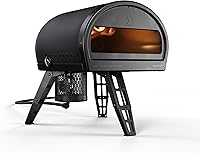
Gozney Arc Lite

- 12 in pizza size
- Lateral rolling flame
- 26.4 lb
A lighter choice for cooks who move their oven often and prefer individual pizzas. Its removable stone floor gives access for care once the oven is cold.
Pros
- Lower carrying weight than the Koda 2
- Adjustable lateral rolling flame
- Removable stone floor
Cons
- Smaller pizza format than the other stone sizes here
- Requires a suitable outdoor cooking area
Gozney Arc Lite: choose it for easier carrying
The Arc Lite suits cooks who move their oven often and are happy making 12-inch pizzas. At 26.4 lb, it puts less oven weight in your arms than the other weighed models here.
Its lateral rolling flame offers adjustable heat, while the removable stone floor allows access for care once cold. Gozney pairs that floor with 2-layer insulation to help retain heat.
Skip it if larger sharing pizzas are central to your plans. Individual pies work well for different toppings, but serving everyone means cooking a sequence of pizzas.
HALO Versa 16

- 16 in rotating stone
- Propane powered
- 43.5 lb
Choose it when a rotating cooking surface matters more than easy carrying. It suits a planned patio setup with enough room for the oven and pizza preparation.
Pros
- Motorized stone rotates 360 degrees
- Works with 20 lb LP tanks or 1 lb canisters
- Larger cooking surface for sharing pizzas
Cons
- Heaviest oven in this comparison
- Needs a substantial support surface
HALO Versa 16: choose it for less turning work
The HALO suits cooks who want a motorized rotating stone instead of turning every pizza with a peel. Its 16-inch surface rotates through 360 degrees.
At 43.5 lb, it favors a planned patio station over frequent carrying. Its footprint is 25.5 inches deep by 22.5 inches wide, before allowing for required clearances and working space.
HALO supports 20 lb LP tanks and 1 lb canisters, giving you fuel options for different outings. Confirm the required connection equipment before planning a trip.
Skip it if light carrying is your priority. Rotation also doesn't replace watching the food, choosing suitable dough thickness or managing the heat.
For more brand differences, see Ooni vs Gozney. Our best gas pizza oven guide helps if propane remains your preferred fuel.
Which common mistakes should you avoid?
The biggest mistakes are oversized dough, excess toppings and rushing the next launch. These make cooking harder even when the oven has enough heat.
Stretch dough to a size you can handle comfortably. An uneven round with one thin patch is more likely to tear during transfer, especially under a heavy topping load.
Don't leave an assembled pizza sitting on the peel while you prepare another. Moisture can make it stick, so finish one pizza and launch it promptly.
Avoid chasing the highest possible flame for every bake. Heat should match the pizza you're making, with enough time for the base and toppings to cook together.
If several pizzas fail in the same way, change one thing at a time. Adjusting dough size, topping load and flame together makes it harder to identify the cause.
If tending a fire is part of the experience you want, read our comparison of gas and wood-fired pizza ovens. Propane suits cooks who prefer to spend that attention on the pizza.
How should you clean and store the oven?
Let the oven cool completely before cleaning, covering or storing it. Follow Ooni's care instructions for the stone, burner and exterior rather than treating every part like a kitchen pan.
Remove loose food debris with a suitable oven brush or scraper. Avoid soaking the stone or applying soap unless Ooni's instructions specifically allow it.
Don't splash a hot stone with water to speed cooling. A sudden temperature change can damage cooking stone, and trapped moisture complicates the next heating cycle.
Check the hose and connections as directed before use, especially after storage or transport. Keep the cooking area clear of grease, flour buildup and anything that could block access to the controls.
A cover helps protect a cold oven between uses, but follow the storage conditions in the manual. Our pizza oven cover guide explains what to consider when planning protection from weather.
Ooni provides a 1-year standard manufacturer's warranty and offers an extension for registration within 60 days of buying. Read the terms and register promptly if you want that coverage.
Should you buy the Ooni Koda 2?
Buy the Ooni Koda 2 for a regular outdoor pizza routine where you value room to work and direct flame control. Before ordering, settle the fuel connection, support surface, tool space and storage plan.
Choose the Pi Prime if watching and reaching the pizza is your main concern. Choose the Arc Lite for frequent carrying, or the HALO Versa 16 if reducing manual turning matters most.
If you're still deciding which Ooni fuel system fits your habits, use Ooni models explained as your next step. Check Ooni Koda 2 specifications and setup information for the connection and placement requirements before finalizing your station.
Frequently asked questions
Is the Ooni Koda 2 propane only?
Yes, this Koda 2 model uses propane only and cannot connect to natural gas. It includes a gas hose and 28 mBar regulator for a propane bottle; confirm the bottle connection and regional requirements with Ooni before buying fuel equipment or attempting setup.
How large a pizza fits in the Ooni Koda 2?
The Koda 2 has a 14-inch pizza stone, but leave space around the dough for turning and retrieval. Start with smaller pizzas while learning to launch them, then increase their size once you can place and rotate them without pushing the edge toward the flame.
Can you use the Ooni Koda 2 indoors?
No, the Koda 2 is an outdoor gas pizza oven and should only be used outdoors as Ooni instructs. An open window does not make indoor use suitable, and a garage is not a substitute for an outdoor cooking space with the required clearances.
What is a good alternative to the Ooni Koda 2?
Choose the Solo Stove Pi Prime for its panoramic opening and front controls, or the Gozney Arc Lite for easier carrying and smaller pizzas. The HALO Versa 16 suits cooks who want a rotating stone; decide which task you want the oven to make easier.