Ninja Pizza Oven vs Ooni Karu 2: Which Is Better? (October 2026)
For Ninja pizza oven vs Ooni, choose the Ninja Artisan MO201 for electric control and varied outdoor meals. Choose the Ooni Karu 2 if you want wood or charcoal cooking and are willing to manage a live fire.
On this page (9 sections)
- Ninja pizza oven vs Ooni Karu 2: what is the main difference?
- Which oven suits your cooking style?
- How do their heat and cooking times compare?
- Which oven makes more sense for family pizza nights?
- What should you check before setting either oven up?
- How can you get better results from the first few cooks?
- What care and storage does each oven need?
- Should you consider the Ooni Koda 2 Propane instead?
- Which oven wins the Ninja pizza oven vs Ooni comparison?
For Ninja pizza oven vs Ooni, choose the Ninja Artisan MO201 for simpler electric cooking and varied outdoor meals. Choose the Ooni Karu 2 for wood or charcoal cooking when managing a live fire is part of the appeal.
Both fit a 12 in pizza, so the decision is less about feeding different households and more about how you want to cook. The Ninja favors a set cooking routine; the Karu 2 gives you more fuel choices.
The Ooni Koda 2 Propane is also worth considering if you already know you want gas. It solves a different problem: propane cooking with more room on the stone.
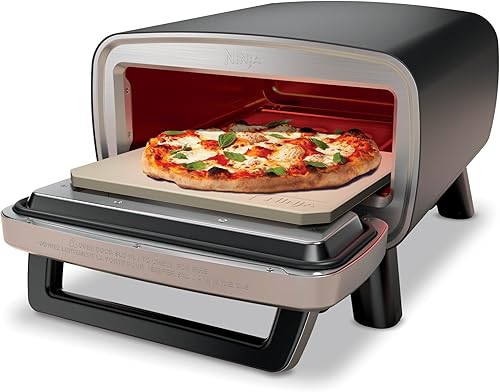
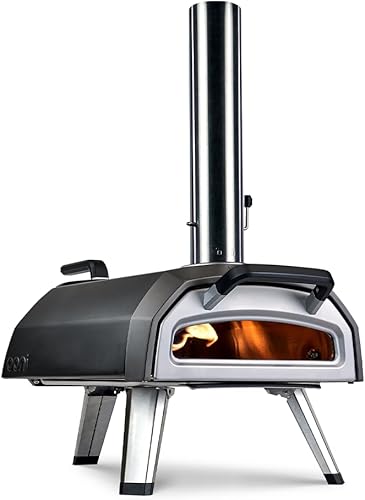
Ninja pizza oven vs Ooni Karu 2: what is the main difference?
The main difference is electric control versus live-fire cooking. Buy the Ninja for its cooking modes and freedom from tending fuel; buy the Karu 2 because you specifically want wood, charcoal or the option of propane.
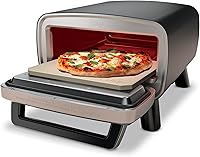
The Ninja has 5 pizza settings: Neapolitan, thin crust, pan, New York and custom. Its other functions are bake, broil, proof and warm, making it useful alongside a grill or for meals that do not involve pizza.
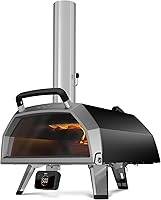
The Karu 2 uses wood or charcoal, with a propane burner sold separately. That flexibility suits cooks who want to choose their fuel, but it also means planning fuel storage, fire management and cleanup.
For a wider view of the category, start with our guide to home pizza ovens. The right fuel and cooking space matter more than picking a brand first.
Which oven suits your cooking style?
Choose the Ninja for a meal-focused routine or the Karu 2 for a fire-focused hobby. Think about an ordinary evening at home, including preparation and cleanup, rather than the fastest pizza either oven can make.
When does the Ninja pizza oven make more sense than Ooni?
The Ninja is the better fit if you want to prepare dough and toppings, select a setting and concentrate on the food. Electric heat removes the need to build and maintain a fire.
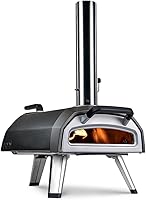
Its included 12 x 12 in bake pan also gives it a clear role beyond pizza. You could bake a side dish while using a separate grill for the main course, then warm food as you finish serving.
The proofing function is useful if dough preparation is part of your routine. Watch the dough's growth rather than relying only on elapsed time, since room temperature and the dough recipe affect how quickly it rises.
Skip the Ninja if wood or charcoal is central to what you want. Also skip it if your outdoor space lacks a suitable power connection or you only have room for an indoor appliance.
When does the Ooni Karu 2 make more sense?
The Karu 2 makes more sense when tending the fire is part of the enjoyment. It suits someone who wants to learn how fuel, airflow and cooking pace work together.
Its integrated thermometer and glass door help you monitor the oven. Neither replaces watching the pizza, especially once the crust begins to color.
Choose wood or charcoal because you want that cooking process, rather than assuming either will fix poorly prepared dough. Stretching, topping and launching still decide whether a pizza cooks evenly.
Skip the Karu 2 if you dislike handling fuel or cleaning ash. If you expect to use propane every time, compare the full gas setup with a dedicated propane model before committing.
For other Ooni choices, see Ooni models explained. Our Ooni vs Gozney comparison helps if you are still choosing between outdoor oven brands.
How do their heat and cooking times compare?
The Karu 2 has more heat for very fast pizza cooking, while the Ninja offers a broader low-to-high temperature range. Maximum heat matters most if you want thin pizzas with a short bake.
The Ninja runs from 90–700°F, including its low proofing setting. Ninja says a pizza can cook in 3 minutes at the top setting, after an 18-minute preheat, with no turning needed.
Ooni gives the Karu 2 a 950°F maximum and says it reaches cooking temperature in as little as 15 minutes. Its stated pizza cooking time is 60 seconds.
Those are brand cooking claims, not a complete dinner schedule. Dough preparation, stretching, topping, loading and letting the stone recover between pizzas all affect how quickly you can serve.
Do not use the shortest bake as the main buying rule. Thick dough and heavy toppings need enough time for the center to cook before the outside gets too dark.
A faster bake also gives you less time to react. If you prefer a calmer pace while learning to launch dough, the Ninja's controls are a stronger reason to choose it than the headline cooking time.
Which oven makes more sense for family pizza nights?
Neither main oven wins on pizza size, so choose based on how you will serve several people. Plan to share sliced pizzas as they finish rather than promising everyone a whole pizza at once.
Set out toppings before heating the oven, and decide who will stretch dough and who will cook. Keeping those jobs separate helps prevent a finished pizza from waiting while the next one is still being assembled.
Avoid building several topped pizzas far ahead on a peel. Dough can stick as it sits, especially under wet sauce, so prepare each one close to its launch.
For a mixed meal, the Ninja's extra modes are useful, but they still share one cooking space. Proofing dough, baking a side and cooking pizza at different temperatures require a sequence.
The Karu 2 suits an evening built around a steady flow of pizzas. Keep the fuel supply ready and leave time for heat recovery rather than adding fuel or launching simply because another pizza is waiting.
What should you check before setting either oven up?
Check outdoor placement, support and access before choosing either oven. A table that fits the oven's footprint may still leave too little space for opening it, handling a peel or setting down hot cookware.
Use a stable surface suitable for the oven and follow the manual's clearances. Leave a clear working area in front, away from people passing through the cooking space.
For the Ninja, confirm that your power arrangement meets its instructions. Keep the connection protected as directed, and check the manual before using any extension cord.
For the Karu 2, decide where fuel and cooled ash will go. If you want propane, include the separate burner in your plan and follow the burner's connection instructions.
Think about moving the oven, too. The Ninja weighs 25 lb, while the Karu 2 weighs about 33.7 lb, so a long route from storage can affect how often you use either one.
Our pizza oven stand and table guide explains how to plan the supporting surface and workspace. Measure the route to storage as well as the cooking spot.
Both models belong outdoors. Read whether you can use a pizza oven indoors if your available space is a kitchen, garage or enclosed room.
How can you get better results from the first few cooks?
Start with simple pizzas and change one thing at a time. A modest amount of sauce, cheese and toppings makes it easier to judge whether your dough and cooking routine are working.
Prepare dough that is easy to handle
Use a dough recipe suited to your intended oven temperature. A recipe built for a regular kitchen oven may brown differently in a hotter pizza oven, particularly if it includes sugar or oil.
Let chilled dough become workable before stretching, following the recipe's timing. Forcing tight dough into shape can tear the center while leaving the edge too thick.
Keep the first pizzas slightly smaller than the maximum size. That gives you more room to launch and position them while you learn.
Make a clean launch
Check that the pizza slides freely on the peel before approaching the oven. If it sticks, lift the dough gently and add a little dusting flour beneath the stuck area.
Use enough flour to prevent sticking, but avoid leaving a thick layer under the base. Excess loose flour can burn and leave a bitter taste.
Drain wet toppings and avoid piling ingredients in the middle. A heavy center is harder to launch and can stay soft while the crust edge cooks.
Watch the pizza rather than only the clock
Use cooking times as a starting point and watch how the crust and toppings develop. With live-fire cooking, follow the oven's guidance on positioning and turning as different areas brown.
Let the oven recover between pizzas rather than rushing another onto a cooler stone. Our guide to using an outdoor pizza oven covers the cooking sequence in more detail.
What care and storage does each oven need?
Both ovens need cooling time and dry storage practices, while solid-fuel use adds ash cleanup. Choose the oven whose after-dinner routine you are willing to repeat.
Let the oven and stone cool fully before cleaning or moving them. Avoid putting cold water on a hot stone, and follow the manual for removing baked-on food.
Do not assume a pizza stone should be washed like a baking pan. Use the recommended cleaning method, and let any cleaned stone dry fully before heating it again.
With the Karu 2, deal with ash only after the fire and residue have cooled completely. Keep fuel dry and store it away from the oven's hot working area.
Ninja describes the Artisan as weather resistant and recommends its cover for outdoor storage. Weather resistance still calls for sensible care, including letting the oven cool and dry before covering it.
If you use the Karu 2's optional gas burner, follow its care instructions as well as the oven manual. Fuel flexibility is useful only if you keep the parts ready for safe use.
Should you consider the Ooni Koda 2 Propane instead?
Choose the Koda 2 Propane if gas is already your preferred fuel and you would use extra working room. Its 14 in stone gives you more space than the pizza capacity of the two main ovens.
The Koda includes a gas hose and 28 mBar regulator and connects to a propane bottle. It is propane only, with no natural gas compatibility.
Its tapered flame burner uses Ooni's G2 Gas Technology. Ooni also says the thicker stone improves heat retention and reduces recovery time between pizzas, making it relevant for repeated cooks.
At 35.3 lb, it still needs a practical route between storage and your cooking area. Plan space for the propane bottle as well as the oven.
Skip this alternative if you want to burn wood or charcoal, or if the Ninja's extra cooking functions are your main draw. Our gas vs wood-fired pizza oven guide can help settle the fuel choice.
Which oven wins the Ninja pizza oven vs Ooni comparison?
The Ninja Artisan MO201 wins for a simpler cooking routine, while the Ooni Karu 2 wins for cooks who want live fire. Let the work you enjoy doing decide the Ninja pizza oven vs Ooni choice.
Pick the Ninja if you want pizza alongside other outdoor meals and have suitable power nearby. Its value comes from using the extra modes, so think beyond an occasional pizza night.
Pick the Karu 2 if learning wood or charcoal cooking sounds enjoyable enough to justify fuel handling and cleanup. Buy the separate propane burner only if switching fuels is something you expect to do.
Choose the Koda 2 Propane if your answer is already “gas,” and the larger stone would help your cooking routine. Skip all three if you need an oven for indoor use.
Before ordering, match your preferred fuel to your outdoor workspace and storage plan. For a closer look at the finalists, read our Ooni Karu 2 review or Ninja Artisan MO201 review.
Frequently asked questions
Is the Ninja Artisan MO201 better than the Ooni Karu 2?
The Ninja Artisan MO201 is better for cooks who want electric controls and an oven for varied outdoor meals; choose the Ooni Karu 2 if wood or charcoal cooking is a priority and you enjoy managing a fire. Neither choice makes sense without a suitable outdoor cooking space.
Does the Ooni Karu 2 come with a gas burner?
No, the Ooni Karu 2's propane burner is sold separately; it uses wood or charcoal without that accessory, so decide on fuel before ordering. If you want a dedicated propane oven, the Ooni Koda 2 Propane includes its gas hose and regulator but still needs a propane bottle.
Can the Ninja Artisan MO201 be used indoors?
No, the Ninja Artisan MO201 is an outdoor oven; electric heat does not make it suitable for a kitchen, garage or other enclosed space. Follow its manual for placement and clearances, and read our guide to using a pizza oven indoors if indoor cooking is your main goal.
Which oven gets hotter, the Ninja Artisan MO201 or Ooni Karu 2?
The Ooni Karu 2 has the higher maximum: 950°F compared with the Ninja Artisan MO201's 700°F; that gives the Ooni more heat for fast, thin pizzas. It does not mean every pizza should cook at maximum heat, especially thicker dough or pies with plenty of toppings.
Which oven is easier for a beginner?
The Ninja Artisan MO201 is the simpler starting point if you want to avoid fire management; its electric controls and pizza presets reduce the decisions you make during a cook. You still need to learn dough handling, preheating and launching, which matter with either brand.