Ninja Artisan MO201 Pizza Oven Review: Worth It? (October 2026)
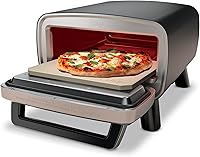
The Ninja Artisan pizza oven suits backyard cooks who want electric heat and an oven for pizza, sides and dough proofing. Choose an indoor alternative if you need kitchen counter use, or a larger model if 12 in pizzas won't suit your meals.
On this page (9 sections)
- Who should buy the Ninja Artisan pizza oven?
- How long does pizza night actually take?
- Which pizza setting should you start with?
- What do the extra cooking functions add?
- What should you check before setting it up outdoors?
- What accessories and care does the MO201 need?
- How does the Ninja compare with the indoor alternatives?
- Which mistakes are most likely to spoil the first batch?
- Should you buy the Ninja Artisan pizza oven?
The Ninja Artisan pizza oven is a good fit for backyard cooks who want electric pizza cooking and an oven for sides, bread and dough proofing. Choose it if you'll use those extra functions and have a suitable outdoor cooking space.
The MO201 makes more sense beside a grill than on a kitchen wish list. If most of your pizza nights happen indoors, the Chefman or Big Horn below is the more useful starting point.
Who should buy the Ninja Artisan pizza oven?
Buy the MO201 for outdoor meals without managing a live flame, especially if pizza is only part of your menu. Its strongest fit is a household that wants one outdoor appliance for several jobs.
Ninja Artisan MO201
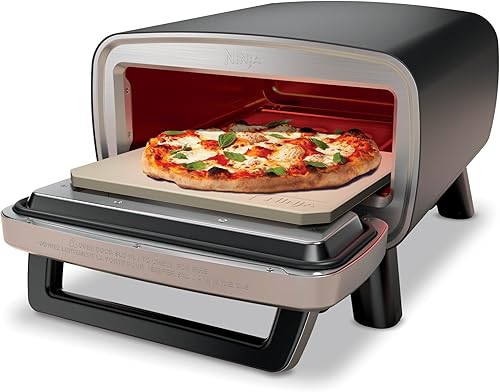
- 12 in pizza capacity
- 700°F maximum
- 5 pizza settings
- Bake, broil, proof and warm
An outdoor electric oven for cooks who want pizza, baked sides and dough proofing in one appliance. Choose it when you'll use it beside the grill as well as on pizza night.
Pros
- Temperature control without a live flame
- Five pizza settings for different styles
- Bake, broil, proof and warm functions
- Pizza stone and bake pan included
Cons
- Requires an outdoor cooking space
- The 3-minute pizza claim excludes an 18-minute preheat
- Peel and protective cover sold separately
You can bake a side while the main dish cooks on your grill, then use the same oven for pizza on another night. That gives it a clearer role than an appliance you bring out only a few times each summer.
Electric heat also removes fuel loading and flame tending from your cooking routine. You'll still need to learn how your dough, toppings and chosen setting work together.
Who should skip the Ninja Artisan pizza oven?
Skip the MO201 if you need indoor cooking, larger pies or a live-fire experience. Those needs point toward a different oven rather than a different setting on this one.
It also deserves less space on your shortlist if your regular oven already handles your occasional pizza nights well. An extra appliance earns its place when you'll use its location, cooking modes or pizza-focused design often enough.
For a broader view of fuel and cooking location, start with pizza ovens for home: gas, wood and electric compared.
How long does pizza night actually take?
Plan for preheating, preparation and serving, rather than treating the advertised bake time as the whole meal. Ninja says a pizza can cook in 3 minutes at 700°F without turning, after an 18-minute preheat.
Ninja also says the oven can cook 3 pizzas back-to-back in under 10 minutes once preheated. Those are brand claims for the stated conditions, so don't use them as a promise for every dough thickness or topping load.
Start preheating before you stretch the first dough ball. Have sauce, drained toppings, a peel and a serving board ready so the oven isn't waiting while you search for tools.
For a group, decide whether everyone will share slices as each pizza comes out or wait for an individual pie. Serving in rounds is often easier than trying to hold several finished pizzas while the last one cooks.
Keep later dough balls covered until you need them. Stretch and top each pizza close to its launch time, since a topped base can soften and stick while it waits.
For the full cooking sequence, see how to use an outdoor pizza oven.
Which pizza setting should you start with?
Start with the setting that matches your dough and pizza style, then adjust one thing at a time. The choices are Neapolitan, Thin Crust, Pan, New York and Custom.
Ninja describes the first as a puffy crust with crisp bubbles, while New York aims for a foldable slice. A thin base and a thick pan pizza need different approaches, so the hottest setting isn't the default for every meal.
Use the Quick Start Guide's recipe directions for your first batch. Keeping the dough size, topping amount and setting consistent makes it easier to work out what needs changing.
A wet center can come from too much sauce or moisture-heavy toppings. Drain ingredients such as fresh mozzarella and cooked vegetables, and spread toppings in a light, even layer.
If the top finishes before the base, don't simply add more toppings to the next pizza or keep opening the door. Check that you've followed the full preheat and chosen the right approach for that dough.
The door window lets you watch the pizza without opening the oven for every check. Follow the instructions for the chosen mode rather than assuming the no-turn claim removes all need to watch the bake.
What do the extra cooking functions add?
The bake, broil, proof and warm functions make the MO201 useful beyond pizza. They matter most if you want to prepare more of a meal outside instead of moving between the grill and kitchen.
Bake is the natural starting point for pan-based sides and bread recipes. Broil serves a different purpose, adding heat from above when a recipe calls for surface browning.
The dedicated proof setting runs at 90°F. Use it to provide a controlled place for dough to rise, but judge readiness by your recipe and the dough's condition as well as the clock.
Proofing and high-heat baking are separate stages. If you plan to use both, allow time to remove the dough and prepare the oven for cooking.
Warm mode can help with meal timing, but leaving pizza waiting can soften its crust. For a pizza party, serving each pie soon after it finishes is usually the better plan.
Ninja says the cavity can hold 6 chicken breasts or a large sourdough loaf. Fit alone doesn't guarantee cooking time or doneness, so follow a suitable recipe and use a food thermometer for meat and poultry.
What should you check before setting it up outdoors?
Check surface space, door clearance and electrical access before buying the MO201. The oven measures 20.78 in deep, 16.22 in wide and 12.4 in high, and weighs 25 lb.
Those dimensions describe the appliance, not the full working area. You'll also need the clearances in Ninja's instructions and room to open the dropdown door and move a peel.
Choose a stable surface that suits the oven's heat and weight. Leave a separate spot for raw dough and finished food so you're not trying to dress a pizza beside an open hot door.
Check the electrical instructions before choosing the location. Don't build your setup around an extension cord or power strip without confirming that Ninja permits it and specifies how it should be used.
The MO201's lack of a flame doesn't make it suitable for indoor use. Read whether pizza ovens can be used indoors if you're considering a kitchen, garage or other enclosed space.
An optional stand and side table are available, but first assess any suitable surface you already have. This guide to choosing a pizza oven stand or table explains the space and working-height decisions.
What accessories and care does the MO201 need?
The included 12 x 12 in stone and matching bake pan cover pizza and pan-based cooking, but you'll need a suitable peel for launching pizza. A perforated peel, protective cover, stand and side table are separate accessories.
Don't choose a peel solely by the diameter of the pizza you want to make. Its blade must fit the oven opening, and you need enough room in front of the oven to handle it safely.
Ninja describes the oven as weather resistant and recommends its cover for outdoor storage. Weather resistance isn't a reason to ignore the manual's directions for operation, electrical protection or storage.
Let the oven and stone cool fully before cleaning or covering them. Follow the care instructions for each part, since a pizza stone and a metal pan don't necessarily tolerate the same cleaning methods.
Avoid soaking the stone or putting a hot stone into cold water. Abrupt temperature changes can damage pizza stones, and retained moisture can cause problems during later heating.
Remove loose flour and food debris as directed once everything is cool. Using less loose flour at launch also reduces the amount that can scorch during a later bake.
How does the Ninja compare with the indoor alternatives?
Choose between these ovens by cooking location first, pizza size second. A higher maximum temperature won't solve the problem of buying an outdoor appliance for an indoor routine.
| Detail | Ninja Artisan MO201 | Chefman indoor pizza oven | Big Horn 14 inch indoor |
|---|---|---|---|
| Use | Outdoor | Indoor countertop | Indoor countertop |
| Pizza size | 12 in | 12 in | 14 in |
| Temperature range | 90–700°F | 300–800°F | 220–850°F |
| Cooking controls | Five pizza settings and four other functions | Five pizza presets plus Manual | Six programs |
| Included cooking accessories | Pizza stone and bake pan | Pizza stone and peel | Pizza stone and peel |
The Ninja's lower temperature range supports its proofing role. The indoor models suit buyers whose main need is pizza on a kitchen counter.
Maximum temperature alone doesn't determine the right oven. Dough, stone preheating, upper and lower heat, and the space you can safely provide all affect how useful an oven will be.
Choose Chefman for indoor pizza nights
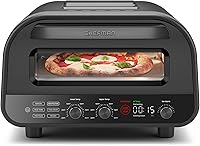
The Chefman suits cooks who want kitchen counter use and don't need the Big Horn's larger pizza size. Its presets include Frozen, and its Manual setting gives you a way to adjust beyond the preset choices.
Its body measures 18.7 in deep, 17 in wide and 10.94 in high. Measure the working space and required clearances rather than assuming the countertop design will fit beneath your cabinets.
Skip it if you want outdoor cooking or frequently make larger pies. Its 1700 W, 120 V requirements also belong in your setup check before you choose a counter location.
The Chefman indoor pizza oven review goes deeper into that option. For more alternatives, compare the best indoor pizza ovens.
Choose Big Horn for larger shared pizzas
The Big Horn suits households that prefer larger pies and have enough counter space to use it. That extra room is useful when you want more slices from each bake.
Its body measures 20.31 in deep, 18.86 in wide and 10.44 in high. The flip-up design helps with storage, but it doesn't remove the need for the full cooking footprint and required clearances.
Big Horn specifies an 1800 W appliance for a 110–120 V supply. Check the electrical requirements along with the space, especially if other appliances share your intended cooking area.
Skip it if you only make smaller pizzas and would struggle to give it a working spot. Extra capacity is useful only when you can set up and use the oven comfortably.
Which mistakes are most likely to spoil the first batch?
The main mistakes are rushing the preheat, overloading the dough and planning no launch space. A short bake leaves little room to correct a pizza that's already stuck or carrying too much moisture.
- Starting with an oversized base: Leave room to launch and retrieve the pizza instead of stretching to the limit on your first attempt.
- Building a pizza too early: A topped base can stick while it sits, especially with wet sauce or toppings.
- Using too much loose flour: Use enough to help release the dough, then avoid carrying excess onto the hot stone.
- Changing everything after one bake: Keep the dough and toppings consistent while you adjust one part of the process.
- Treating every preset alike: Follow the directions for the pizza style you're making, especially with thicker bases and pan recipes.
Have your serving board and cutting tool ready before launching. Moving a finished pizza safely is part of the setup, not a job to arrange while it waits in the oven.
Should you buy the Ninja Artisan pizza oven?
Choose the Ninja Artisan pizza oven for a regular outdoor cooking routine that includes pizza, sides or dough preparation. Its extra functions justify their place when you'll actually use them between pizza nights.
Choose Chefman for indoor cooking with smaller pies, or Big Horn when larger shared pizzas matter more. Skip the MO201 if its outdoor location would make you less likely to use it.
Before ordering, confirm the MO201 model and included accessories. See it on Amazon.
If you're still deciding between electric cooking and managing a fire, read Ninja Artisan vs Ooni Karu 2 next. That is the more useful final comparison once you've settled on cooking outdoors.
Frequently asked questions
Is the Ninja Artisan MO201 an indoor pizza oven?
The Ninja Artisan MO201 is an outdoor oven, so choose an indoor countertop model for kitchen use. Electric heat removes the need to manage a live flame, but it doesn't change the oven's intended location; follow Ninja's instructions for placement, clearances and electrical connections.
How long does the Ninja Artisan take to cook a pizza?
Ninja says the MO201 can cook a 12 in pizza in 3 minutes at 700°F without turning, after an 18-minute preheat. Allow extra time to prepare and launch each pie, and use the selected setting's guidance because dough thickness, toppings and pizza style affect cooking time.
What can the Ninja Artisan MO201 cook besides pizza?
The MO201 can bake, broil, proof and warm food, making it useful for outdoor sides and dough preparation. It includes a bake pan for pan-based recipes, but check cookware fit and recipe directions before cooking; meat and poultry still need their doneness checked with a food thermometer.
Does the Ninja Artisan MO201 come with a cover?
No, the protective cover is sold separately, and Ninja recommends it for outdoor storage. The oven comes with a 12 x 12 in pizza stone, a matching bake pan and a Quick Start Guide with recipes; let the oven cool fully before covering it.