Piezano vs Chefman Indoor Pizza Oven: Which Is Better? (October 2026)
In Piezano vs Chefman, choose Chefman for guided pizza nights or Piezano for manual heat adjustment and tighter counters. Confirm Piezano's usable stone size before choosing it for larger pizzas.
On this page (11 sections)
- Piezano vs Chefman: which should you choose?
- Which oven fits your counter and pizza size?
- How do the controls change everyday cooking?
- Does the shared heat limit make them equally fast?
- Who should buy Piezano, and who should skip it?
- Who should buy Chefman, and who should skip it?
- How should you set up either oven?
- How can you make the first pizza easier?
- Which mistakes cause the most trouble?
- How do you care for the stones and oven bodies?
- Final choice: Piezano vs Chefman
Choose Chefman for guided pizza nights and Piezano for manual heat adjustment in a tighter kitchen. The useful difference in Piezano vs Chefman is how you want to cook and where the oven will live.
Neither is a clear winner just because of its maximum temperature. Pizza size, room to load the oven and your willingness to adjust settings will affect everyday use more.
Chefman is the easier recommendation for households that want a starting setting for different pizza styles. Piezano makes more sense if you prefer knobs and want direct control over the balance between the crust and toppings.


Piezano vs Chefman: which should you choose?
Choose Chefman for preset guidance; choose Piezano for manual control and a smaller body. Start with that choice, then check that the oven suits your usual pizzas and available space.
Chefman's presets help when several people use the oven or your meals switch between fresh and frozen pizza. Piezano suits a cook who wants to learn one dough recipe and adjust the heat as needed.
Skip either model if you need to bake one large pizza for everyone at once. Small pizzas served in rounds can work well, but someone needs to keep shaping, loading and watching them.
If you're still deciding whether this appliance belongs in your kitchen, read whether indoor pizza ovens are any good. It explains the tradeoffs of making room for a dedicated countertop oven.
Which oven fits your counter and pizza size?
Piezano takes up less counter space, while Chefman has a clear 12-inch pizza limit. Check both the oven's outer size and the room you need to work around it.
Piezano measures 13.62 inches deep, 13.77 inches wide and 6.49 inches high. Chefman measures 18.7 inches deep, 17 inches wide and 10.94 inches high.
Piezano's stone is described as both 14 inches and 12 inches. Confirm its usable cooking area with Piezano before buying it specifically for larger pies.
Neither oven's outer measurements tell you its total working footprint. Follow the manual's heat clearances and leave space to open the door, move a loaded peel and place a hot pizza safely.
Piezano vs Chefman for a shared kitchen counter
Piezano is the stronger starting choice when space is tight, provided its required clearances fit. Its lower body may help with storage, but storage space and safe operating space are separate checks.
Imagine preparing dinner with the oven in place. You still need a surface for stretching dough, adding toppings and cutting the finished pizza without crowding the hot appliance.
Chefman weighs 23.3 pounds, which matters if you plan to move it from a cupboard for every meal. Choose a storage spot you can reach without lifting it awkwardly.
Is a smaller pizza enough for your household?
Smaller pizzas suit individual toppings and meals served in rounds. They are less convenient if everyone expects a full serving at the same moment.
Count how many pies your household usually eats, rather than focusing only on diameter. A dinner for several people can mean repeated shaping and loading, even when each bake is short.
For more room or a different layout, compare the best indoor pizza ovens. Choose capacity around your normal meal, not an occasional party.
How do the controls change everyday cooking?
Chefman provides named starting points; Piezano asks you to choose the heat balance yourself. Presets reduce the first decision, while manual controls suit cooks who like adjusting a recipe.
Chefman's touchscreen includes Neapolitan, New York, thin-crust, pan and frozen presets, plus manual mode. That range suits a household whose pizza routine changes from one meal to the next.
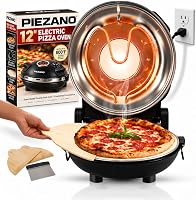
Piezano has separate knobs for its upper and lower heating elements, along with a built-in thermometer display. You can change the heat reaching the toppings separately from the heat beneath the pizza.
That control is useful when the top and base finish at different times. If the cheese browns before the underside firms, review the lower-heat setting and stone preheat before making the next pie.
Don't change the dough, topping load and both heat settings together. Keep the recipe steady and change one thing so the next result tells you something useful.
Does the shared heat limit make them equally fast?
Both reach up to 800°F, but their maximum temperature doesn't rank their speed. Preheat, dough thickness, toppings and heat recovery all affect how quickly dinner reaches the table.
Chefman's heating elements have a 300–800°F range. Piezano says it cooks a fresh 12-inch pizza in under 6 minutes, but that claim doesn't include your preparation or preheat time.
Chefman says its high-heat design and double-paned window help retain heat for back-to-back cooking. Plan for the stone to recover between pizzas according to the instructions rather than assuming every pie can go straight in.
The stone needs time to store heat before dough touches it. A hot oven chamber with an underheated stone can leave the toppings ahead of the base.
Maximum heat also isn't the right starting point for every recipe. Thicker dough and heavier toppings need a method that lets the center cook before the outside becomes too dark.
Who should buy Piezano, and who should skip it?
Buy Piezano if you want to work with manual heat settings and have limited room. It suits a cook who enjoys repeating a recipe and making small changes to the crust.
Its removable ceramic stone makes it possible to lift the cooking surface out for care once it has cooled. That helps with access, although the stone still needs gentle handling and the correct cleaning method.
Piezano also supports calzones, flatbreads and reheated slices. Those options give it a role beyond fresh pizza when you follow its instructions for each food.
Skip it if you want named programs to guide most meals. Also pause if your main reason for choosing it is the XL name, since the size question matters more than the label.
Piezano makes sense when adjusting the bake is part of the appeal. If you want to press a style button and begin from there, Chefman is the closer fit.
Who should buy Chefman, and who should skip it?
Buy Chefman if you want a guided starting point for several pizza styles. It suits mixed households where one person makes fresh dough and another prefers frozen pizza.
The presets give those meals clear starting choices, while manual mode leaves room to adjust. They don't replace recipe instructions or remove the need to watch the pizza as it cooks.
Chefman includes a digital cookbook, which can help a beginner choose a first recipe. It also includes a pizza stone and peel, as does Piezano; Piezano adds a scraper.
Skip Chefman if its larger body would leave you without a practical prep area. A convenient control panel won't help much if you have nowhere to shape or unload a pizza.
Read the Chefman indoor pizza oven review if that model fits your counter and routine. It gives you a separate look before you settle on the comparison winner.
How should you set up either oven?
Choose a suitable surface, check electrical requirements and follow the first-use instructions before preparing dough. Setup should leave a clear path from your prep area to the oven and then to a cutting board.
Use a stable surface that meets the manual's requirements for heat and weight. Keep towels, packaging and other loose items out of the required clearance area.
Piezano uses 1200 watts at 120 volts with a 3-prong plug; Chefman uses 1700 watts at 120 volts. Check the manual and your circuit's capacity before running either alongside another high-power appliance.
Don't remove a grounding pin or assume an extension cord is suitable. If the cord won't reach the intended outlet, resolve placement using the manufacturer's electrical guidance.
Install the stone and other parts as directed, then complete any required first-use steps. Have suitable heat protection and a landing area ready before starting the preheat.
For broader placement questions, see whether you can use a pizza oven indoors. Always use the model's own manual for exact clearances and operating steps.
How can you make the first pizza easier?
Start with a modestly topped pizza and the oven's recommended method. A simple first bake makes it easier to manage the dough and see how the base and toppings progress.
Shape the dough within the usable cooking area, leaving room to launch it cleanly. Stretching to the stone's edge on your first attempt gives you less room to correct a poor launch.
Drain wet toppings and avoid deep piles of cheese or sauce. Extra moisture can soften the middle while exposed parts of the crust brown.
Before launching, check that the dough moves freely on the peel. Use the dusting method allowed by the instructions, and avoid leaving a topped pizza sitting there while you finish other jobs.
If it sticks, fix that on the prep surface before opening the oven. Trying to shake a stuck pizza loose over a hot stone can spill toppings.
Keep notes on the recipe, settings and what you would change next time. Consistent dough portions and topping amounts make those notes more useful than changing everything between pies.
Which mistakes cause the most trouble?
Rushing the stone preheat, overloading the pizza and ignoring bake progress are the main habits to avoid. Better preparation helps more than chasing a higher temperature.
Don't treat a preset as a promise that every pizza will finish the same way. Dough thickness, starting temperature and topping moisture still matter, so watch the bake and follow the recommended method.
Avoid repeatedly opening the oven just to look. Use the viewing window where practical, and open it when an actual step requires access.
Don't use ordinary parchment, silicone mats or cookware unless they are allowed for the oven and chosen setting. Materials suitable for a regular oven may not suit this level of heat.
For several pizzas, prepare portions and toppings in advance but assemble each pie close to launch time. This keeps dough from sitting under wet toppings and reduces the rush around a hot appliance.
Our guide to using an outdoor pizza oven covers preparation habits for a different setup. Keep fuel, placement and operating instructions specific to your indoor model.
How do you care for the stones and oven bodies?
Let the oven and stone cool fully, then follow their separate cleaning instructions. A ceramic cooking surface needs different care from the outside of the appliance.
Unplug the cooled oven before cleaning. Remove loose flour and food debris using tools approved for the surface, without pushing crumbs into heating elements or openings.
Never put a hot stone into cold water. Sudden temperature changes can crack ceramic, and a soaked stone needs to dry fully before reheating.
Don't assume the stone belongs in a dishwasher or needs soap. Follow the care directions, and don't chase harmless discoloration with harsh cleaners or abrasive tools.
Wipe the oven body as directed without flooding controls or electrical parts. Let every cleaned part dry before reassembly or storage.
If smoke appears during cooking, follow the shutdown instructions and check for spills once the appliance is cool. Excess loose flour and dropped toppings can burn, so deal with debris before the next session.
Final choice: Piezano vs Chefman
Pick Chefman when guided cooking matters most; pick Piezano when you want direct heat adjustment in less counter space. For Piezano vs Chefman, choose the oven that fits the meal you make most often.
Before ordering, mark out the operating area and plan where you'll prep and unload each pizza. Resolve Piezano's usable stone size first if larger pies are central to your decision.
Choose neither if the kitchen can't provide the required working space or you need a different pizza capacity. Our pizza ovens for home guide compares the broader options.
If an indoor electric model still fits your plans, use the best indoor pizza oven guide to compare alternatives against your measurements and cooking habits.
Frequently asked questions
Is Piezano or Chefman better for a 14-inch pizza?
Don't choose either for a guaranteed 14-inch fit without checking Piezano's usable cooking area; Piezano's stone descriptions conflict between 12 and 14 inches, while Chefman makes pizzas up to 12 inches. Ask Piezano to confirm the stone diameter and usable space before buying for larger pies.
Which indoor pizza oven has more controls?
Chefman offers more named cooking options, with five touchscreen presets and manual mode; Piezano uses separate knobs for its upper and lower heating elements. Choose Chefman for a style-based starting point, or Piezano if you prefer making heat adjustments yourself while watching the base and toppings.
Do Piezano and Chefman reach the same temperature?
Both reach up to 800°F, but that doesn't mean they preheat or cook at the same speed; Chefman's heating elements have a 300–800°F range. Choose settings for your dough, toppings and cooking method, and allow the stone to preheat according to the oven's instructions.
Which oven takes up less counter space?
Piezano has smaller outer dimensions: 13.62 inches deep, 13.77 inches wide and 6.49 inches high; Chefman measures 18.7 inches deep, 17 inches wide and 10.94 inches high. Neither footprint includes required heat clearances or loading space, so measure the full working area before choosing.
Can you use either oven for foods besides pizza?
Piezano supports calzones, flatbreads and reheated pizza slices as well as fresh pizza; follow its manual for suitable settings and handling. For other foods in Chefman, check its instructions first, including cookware limits, because a pizza preset alone doesn't guarantee the right method for another dish.